Home /
NEWS /
High Tensile Farm Fence vs. Traditional Farm Fence: Which Is Right for Your Farm?
Oct 16, 2026
Choosing the right farm fence is about more than the initial material price. A fencing system must suit the livestock, property layout, ground conditions, installation method, and level of maintenance a farm can realistically manage.
High tensile farm fence and traditional farm fence are two common approaches to agricultural fencing. High tensile fencing uses higher-tensile-strength wire, often designed to maintain tension across longer fence runs. Traditional farm fencing may use lower-tensile wire, woven wire mesh, welded mesh, or other conventional fence constructions, depending on the farm's needs.
The differences affect how the fence responds to loads, how it is installed, and how it should be maintained. This guide explains the practical trade-offs and helps farmers, fencing contractors, and agricultural distributors choose a suitable solution.
 1. What Is High Tensile Farm Fence?
High tensile farm fence is a fencing system built with wire manufactured to a higher tensile strength than conventional low-tensile fencing wire. It commonly uses high-tensile steel wire stretched between properly designed posts and tensioning components.
The system may consist of several horizontal wires or a purpose-designed configuration for a particular livestock application. Some high tensile fences are electrified, while others rely on physical barriers and suitable wire spacing.
Typical characteristics include:
Higher wire tensile strength than conventional low-tensile wire
A tensioned design that depends on suitable end posts and bracing
Potential for longer spans between intermediate posts in appropriately designed systems
Lower wire elongation under comparable loads than lower-tensile wire, depending on the wire properties
Compatibility with different fence layouts and livestock-management strategies
High tensile farm fence is often considered for large pastures, extensive property boundaries, and agricultural operations where maintaining a long fence line efficiently is important.
However, high tensile wire does not automatically create a strong fence. Post strength, anchoring, wire spacing, tension, connectors, and installation quality all contribute to the performance of the completed system.
2. What Is Traditional Farm Fence?
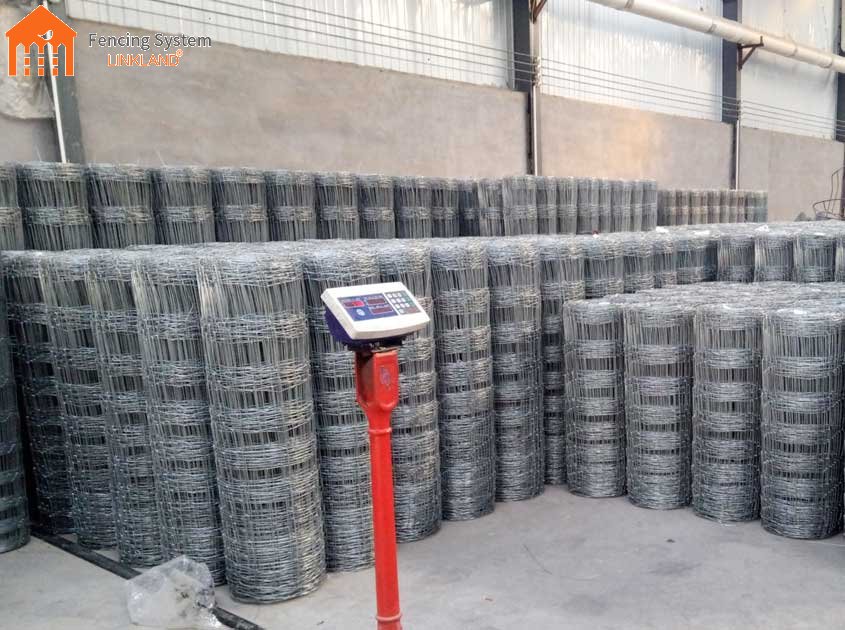
Traditional farm fence is a broad term rather than one specific product. It may refer to conventional low-tensile wire fencing, woven field fence, welded wire fence, barbed wire fence, or other established agricultural fence types.
Because these constructions are different, their performance cannot be summarized with one set of specifications.
Common characteristics of traditional farm fencing include:
Familiar installation methods for many fencing contractors
Options for woven mesh, welded mesh, and inpidual wire strands
Availability in different wire diameters and opening sizes
Compatibility with timber or steel posts, depending on the design
A range of solutions for livestock, gardens, paddocks, and farm boundaries
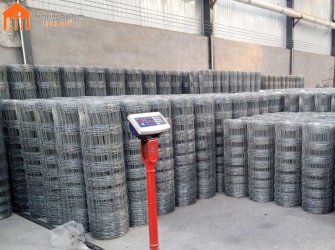
For example, woven field fence can provide multiple horizontal wires and graduated mesh openings suited to certain livestock applications. A conventional low-tensile strand fence may be simpler in construction but needs to be designed for the animals it is intended to contain.
Traditional fencing is not necessarily outdated or inferior. In many farms, it remains the most practical choice because of local installation experience, available materials, terrain, and the specific needs of the livestock.
3. High Tensile vs. Traditional Farm Fence: Key Differences
The most useful comparison is between two clearly defined systems. The table below describes general differences between a typical high tensile wire system and a conventional low-tensile wire system. Woven mesh and welded mesh products may have additional structural characteristics.
Comparison factor
High tensile farm fence
Traditional low-tensile wire fence
Wire strength
Higher tensile strength by design
Generally lower tensile strength
Wire stretch
Typically less elongation under comparable loads
May stretch more under comparable loads
Installation
Requires careful tensioning and suitable bracing
Often familiar to local fencing crews; methods depend on construction
Post spacing
May allow wider spacing in an engineered design
Depends on wire type, livestock, terrain, and design
Tension management
Correct initial tension and ongoing inspection are important
Stretch and sag may require periodic adjustment
Resistance to impact
Depends on the complete system; high tensile wire is not automatically more impact-resistant in every situation
Depends on the construction, wire, mesh, posts, and expected load
Repair
Requires compatible tensioning and joining methods
Repair methods vary by woven, welded, or strand construction
Initial installation cost
May require suitable tensioning tools, strong end assemblies, and trained labor
May use familiar local methods, but costs vary widely
Potential long-term cost
Can be attractive for some large, well-designed fence systems
Can be attractive where materials, labor, and maintenance needs favor the selected design
Best suited to
Selected long-run fencing systems designed for high-tensile wire
A broad range of farms and livestock applications, depending on fence type
One important distinction: high tensile describes a wire property, not a complete fence design. A high tensile woven mesh fence, for example, cannot be evaluated in exactly the same way as a multi-strand high tensile fence.
4. Strength and Flexibility: What Do They Mean on a Farm?
The word “strength” can refer to several different properties. Understanding the difference helps avoid choosing a fence based on a misleading specification.
Tensile Strength
Tensile strength describes the stress a wire can withstand before breaking under a tensile test. High tensile wire is designed to withstand higher tensile stress than conventional lower-tensile wire.
This is useful when the fencing system is designed to carry and maintain tension across a fence line.
Elongation and Stretch
Elongation describes how much a wire lengthens under a load or before breaking, depending on the measurement used.
High tensile wire generally has lower elongation under comparable loads than lower-tensile wire. This can help a properly designed fence maintain its geometry, but it also means installation and tensioning need to be controlled carefully.
Impact and Deformation
A fence that withstands high tensile stress does not necessarily absorb every impact better. Livestock may lean, rub, push, or run into a fence. How the fence responds depends on wire configuration, spacing, tension, posts, and the type of animal.
For cattle, sheep, goats, and horses, the fence must be designed around animal behavior—not tensile strength alone.
Practical takeaway: Choose the wire based on the loads and containment requirements, then design the complete fence system around it.
5. Which Farm Fence Is Better for Different Livestock?
Different animals interact with fencing in different ways. Wire strength is only one part of the decision.
Cattle
High tensile wire can be a suitable option for cattle fencing when the system is designed with appropriate wire spacing, visible barriers where needed, sound end assemblies, and suitable posts.
Traditional woven field fence may also be suitable, particularly when the mesh configuration helps manage the movement of smaller animals or when the farm prefers a mesh-based barrier.
The right choice depends on cattle size, behavior, stocking conditions, pasture layout, and whether electric fencing is part of the system.
Sheep and Goats
Sheep and goats often require careful attention to mesh openings and the possibility of animals pushing through, climbing, or getting their heads caught.
Woven field fence with suitable openings may be practical for these applications. A multi-strand high tensile fence may also be used in a properly designed system, but wire spacing and any electrification must match the animals and local requirements.
Do not assume that a stronger wire automatically prevents escape.
Horses
Horse fencing places particular importance on visibility, smooth surfaces, and reducing the risk of injury.
Some high tensile wire systems can be used for horses, but exposed wire that is difficult for horses to see may create risks. Smooth wire, appropriate spacing, visible markers, or a different fence construction may be preferable depending on the animals and site.
Barbed wire is generally unsuitable for horse enclosures where the risk of injury is significant.
Poultry and Small Animals
Small animals usually require openings small enough to prevent escape and reduce access by predators. A purpose-designed welded mesh or woven mesh product may be more appropriate than widely spaced high tensile strands.
For these applications, mesh opening and wire configuration often matter more than the tensile-strength category.
 6. Installation: Why High Tensile Fence Needs Careful Planning
High tensile farm fencing can perform well when installed correctly, but it is not simply a matter of pulling stronger wire between ordinary posts.
End Posts and Bracing
Tensioned wire transfers force to the end assemblies. Terminal posts, anchors, and braces must be designed for the wire configuration, soil conditions, fence length, and expected tension.
Inadequate bracing can lead to leaning posts, loss of tension, or system failure—even when the wire itself is strong.
Intermediate Post Spacing
High tensile wire systems may permit wider intermediate post spacing than some conventional designs. However, spacing should not be selected from a general rule alone.
It depends on:
Wire type and number of strands
Terrain and changes in elevation
Soil conditions
Livestock species and pressure on the fence
Electric or non-electric design
Local wind, snow, and other environmental loads where relevant
Tensioning and Joining
Correct tension helps maintain the intended fence geometry. Excessive tension can increase the load on posts and fittings, while insufficient tension can allow sagging or ineffective animal containment.
Installers should use compatible tensioners, strainers, connectors, and joining methods recommended for the selected wire system.
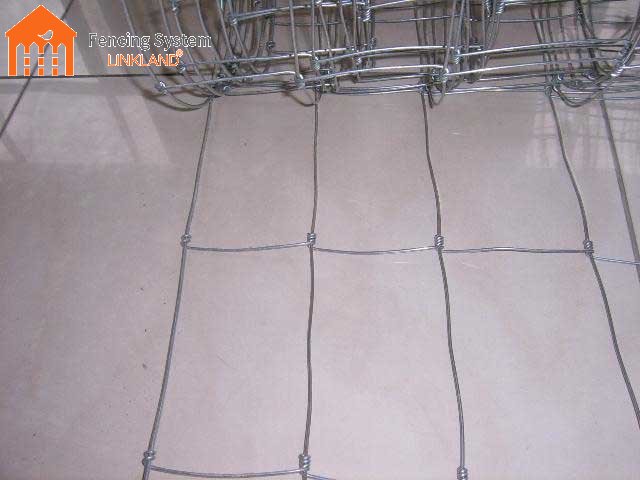
Traditional woven mesh and welded mesh have different installation requirements. They should not be treated as interchangeable with tensioned multi-strand wire.
7. Which Option Costs Less Over Time?
The most economical fence is the one that meets the farm's needs at an acceptable total cost—not necessarily the one with the lowest wire price.
A realistic comparison should include:
Wire or mesh purchase price
Number and type of posts
End assemblies and bracing
Tensioning tools and fittings
Installation labor
Transportation and handling
Routine inspections and repairs
Expected replacement needs
When High Tensile Fence May Be Cost-Effective
High tensile fencing may be attractive for long fence runs when its design allows suitable post spacing and efficient material use.
Its economics are less favorable if the site requires complex bracing, specialized labor is difficult to obtain, or the livestock application needs a different type of barrier.
When Traditional Farm Fence May Be Cost-Effective
Traditional fencing may be more practical where local contractors are familiar with the installation, standard materials are readily available, or woven mesh is better suited to the animals.
A farm with small paddocks, frequent changes in layout, or a need for close animal containment may benefit from a different configuration than a large open pasture.
Compare the Same Scope of Work
When reviewing supplier quotations, confirm that the offers cover equivalent requirements. One quotation may include wire only, while another includes posts, fittings, gates, and installation accessories.
For a fair comparison, calculate the estimated cost per installed meter or foot using the same fence height, layout, wire configuration, and accessory scope.
8. Maintenance and Repair: What Should Farmers Expect?
Both high tensile and traditional farm fencing need inspection. The frequency and type of maintenance depend on the environment, livestock pressure, construction, and fence purpose.
High Tensile Fence
Inspect for:
Loss of tension
Loose or leaning end posts
Damaged insulators if electrified
Corrosion or broken wire
Loose connectors and tensioning devices
Damage caused by falling branches or livestock
High tensile wire should be repaired using compatible components and methods. Because a tensioned wire can store significant energy, cutting or releasing it without proper procedures can be dangerous.
Traditional Fence
For woven or welded mesh, check:
Bent or damaged sections
Broken wires or damaged joints
Loose fasteners and ties
Corrosion and coating damage
Posts that have shifted or become unstable
Gaps beneath the fence or openings that animals can exploit
A damaged mesh section may sometimes be replaced locally, but extensive damage can require a larger replacement area.
For both systems, keeping a record of the original wire and mesh specifications makes future repairs easier.
 9. Galvanized Wire and Other Coating Options
Farm fencing is often exposed to rain, soil moisture, sunlight, animal contact, and sometimes fertilizers or other agricultural chemicals. Corrosion protection is therefore an important purchasing consideration.
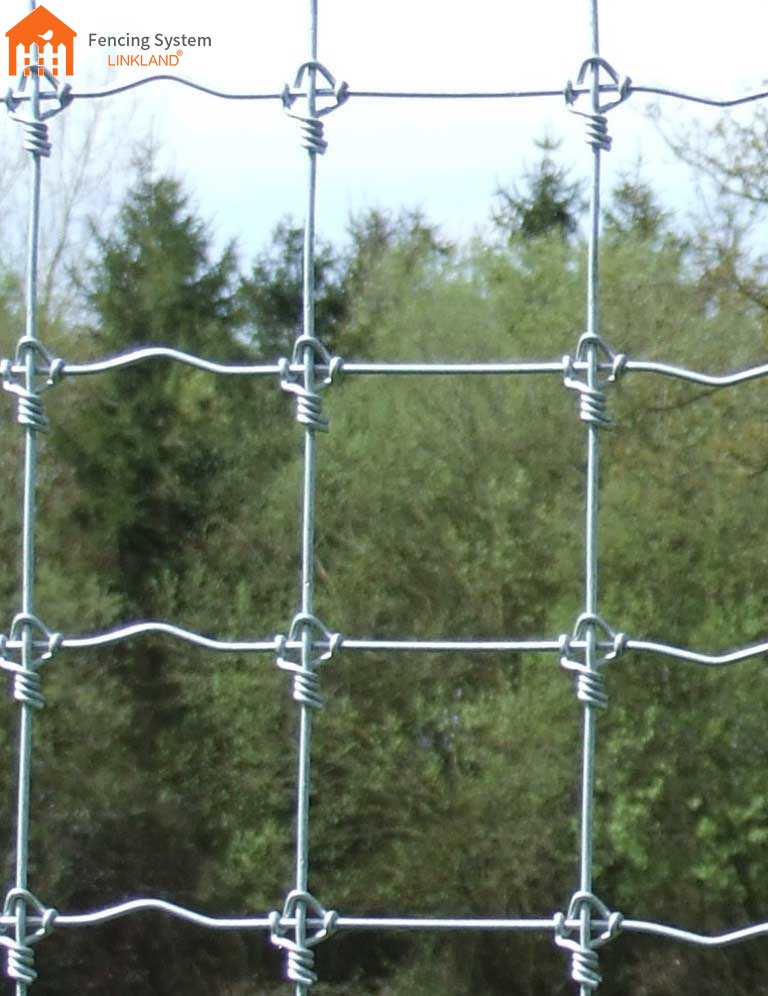
Galvanized wire uses a zinc coating to help protect steel from corrosion. Other product constructions may include polymer coatings, depending on the fence type and intended application.
When comparing high tensile and traditional farm fencing, confirm the following:
Galvanizing method: Ask whether the wire is hot-dip galvanized or electro-galvanized, where applicable.
Zinc coating requirement: Specify the required coating weight or relevant product standard rather than relying on vague descriptions.
Wire diameter: Confirm the nominal diameter and whether it refers to the wire substrate or the finished coated wire.
Environmental exposure: Coastal conditions, prolonged contact with wet soil, chemical exposure, and damaged coatings can affect corrosion performance.
Compatibility: For electrified fencing, insulators and fittings must be appropriate for the wire and electrical system.
High tensile wire can be galvanized, but higher tensile strength does not itself provide better corrosion resistance. The wire material, coating, installation, and environment all matter.
10. How to Choose the Right Farm Fence: A Buyer Checklist
Before selecting a system, answer these questions.
Decision point
What to confirm
Livestock
Cattle, sheep, goats, horses, poultry, or mixed animals
Fence purpose
Perimeter, pasture pision, paddock, animal enclosure, or temporary boundary
Fence construction
High tensile strands, woven field mesh, welded mesh, or another system
Required height
Based on animal behavior, site requirements, and local regulations
Wire specifications
Tensile strength where relevant, wire diameter, and mesh opening
Post system
Post material, spacing, end posts, anchors, and bracing
Surface treatment
Galvanized or other specified coating
Terrain
Flat, sloping, rocky, wet, or irregular ground
Maintenance resources
Availability of suitable tools, parts, and skilled labor
Supply requirements
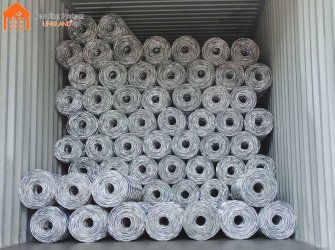
Roll length, packaging, quantity, destination, and accessories
If you are sourcing fencing from an overseas manufacturer, provide your intended application and a clear specification. If you are unsure which wire configuration to choose, share a site drawing or photos of the fence line and describe the livestock.
This information helps suppliers recommend a more appropriate construction instead of quoting a generic product that may not match the farm's needs.
Frequently Asked Questions
Is high tensile farm fence stronger than traditional farm fence?
High tensile wire has higher tensile strength by design than conventional lower-tensile wire. However, the complete fence's performance also depends on its layout, tension, posts, bracing, wire spacing, and installation.
Does high tensile farm fence need fewer posts?
Some high tensile systems are designed to use wider intermediate post spacing than certain conventional fences. The appropriate spacing depends on terrain, wire configuration, livestock, soil, and engineering requirements. End posts and bracing remain especially important.
Is high tensile fence suitable for horses?
It can be used in some horse-fencing systems, but visibility and injury risk must be considered carefully. Smooth, visible fencing with appropriate spacing is important, and barbed wire should generally be avoided in horse enclosures where it could cause injury.
Is woven field fence the same as high tensile farm fence?
No. Woven field fence describes a mesh construction, while high tensile describes the tensile-strength properties of the wire. Some woven field fences use high tensile wire, so the categories can overlap.
Which farm fence is cheaper?
There is no universal answer. High tensile wire may be cost-effective for some long-run systems, while conventional woven mesh or other traditional fencing may be more economical for different layouts or livestock. Compare the full installed cost.
What information should I provide when requesting a farm fence quotation?
State the livestock type, application, required height, fence length, wire configuration or mesh opening, wire diameter, coating, post requirements, quantity, and destination. Include site details if the ground is sloping or the fence will be exposed to demanding conditions.
Conclusion: Match the Fence System to the Farm
High tensile farm fence can be a practical solution for selected long-run fencing systems where wire tension, suitable bracing, and efficient layout are priorities. Traditional farm fencing remains valuable because it includes many constructions, from woven field mesh to conventional wire-strand systems, each with its own strengths.
The most reliable selection process starts with the livestock and site conditions, then considers fence construction, wire specifications, post design, coating, installation skills, and long-term maintenance.
linkland fence supplies wire mesh and fencing products for international agricultural and commercial buyers. When requesting a quotation, share your livestock application, required dimensions, coating specifications, quantity, and destination port so the product configuration can be evaluated against your needs.
Pre:Welded Wire Farm Fence vs Woven Wire Farm Fence: Key Differences and Applications
Next:Galvanized Welded Wire Fence vs. PVC Coated Welded Fence: Which Is Better?

.png)
.png)
.png)
.png)


 Address