Home /
NEWS /
Why Choose Chain Link Fence? Key Advantages, Applications and Buying Guide
Sep 20, 2026
Chain link fence is one of the most widely used perimeter fencing systems for residential, agricultural, commercial and industrial applications. Its familiar diamond-shaped mesh combines relatively simple construction with flexibility, visibility and practical installation.
But why is chain link fence still widely used when there are many modern fencing options available?
The answer is not simply low cost. Chain link fencing offers a combination of durability, visibility, flexibility, installation efficiency, material options and easy maintenance that makes it suitable for many different projects.
For distributors, contractors, property owners and project buyers, understanding these advantages can help determine whether chain link fence is appropriate for a particular application.
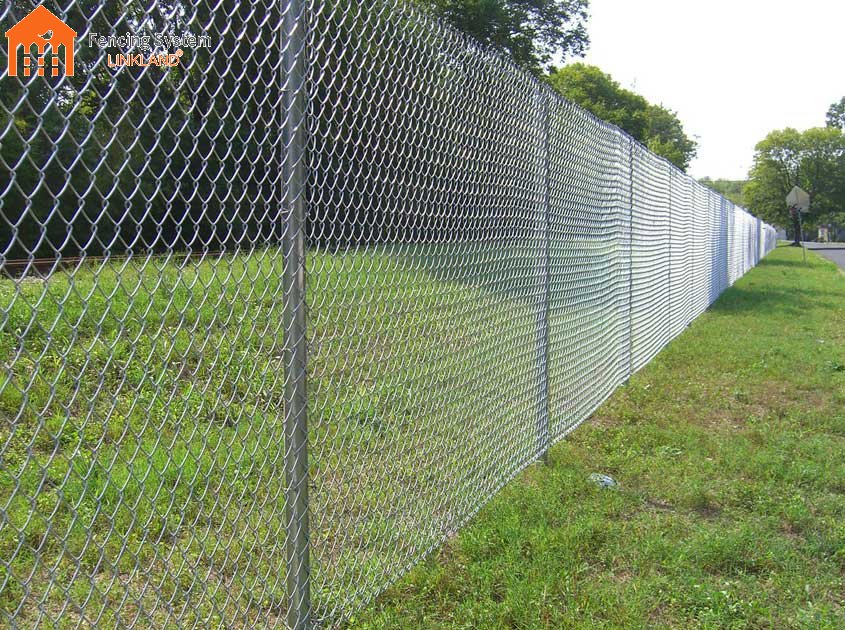 What Is Chain Link Fence?
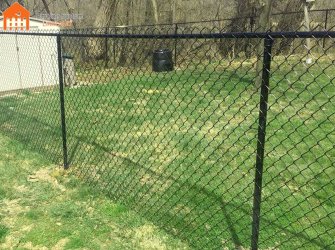
Chain link fence is made by weaving steel wire into a continuous diamond-shaped mesh. The finished mesh can be supplied in rolls and installed with posts, rails, tension wire and fittings to create a complete fencing system.
Depending on project requirements, chain link fence can be manufactured with:
Galvanized steel wire
PVC-coated steel wire
Different wire diameters
Different mesh openings
Different fence heights
Different edge configurations
Matching posts and accessories
This relatively simple structure gives chain link fence several practical advantages.
1. Chain Link Fence Is Cost-Effective
One of the main reasons buyers choose chain link fence is its economical use of material.
The mesh structure provides a large perimeter coverage area without requiring a solid wall or large amount of steel panel material.
The overall project cost depends on factors such as:
Wire diameter
Mesh opening
Fence height
Surface treatment
Post spacing
Post type
Gate requirements
Installation conditions
Quantity
Transportation
For large perimeter projects, the difference in material consumption and installation requirements can become significant.
This makes chain link fencing particularly attractive for projects where a practical perimeter is needed without creating a visually heavy barrier.
2. It Provides Good Visibility
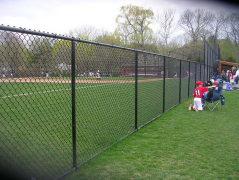
Unlike solid fencing, chain link mesh allows people to see through the fence.
This can be useful when the project requires both perimeter separation and visibility.
Typical applications include:
Warehouses
Industrial facilities
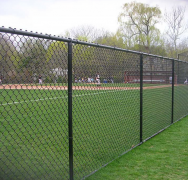
Sports fields
Schools
Parks
Construction sites
Residential properties
Storage areas
The open mesh structure allows natural light and visual communication to pass through.
For sports facilities, for example, spectators and players can maintain visibility through the fence.
For industrial properties, security personnel can also maintain a relatively unobstructed view of the perimeter.
3. Chain Link Fence Allows Airflow
The diamond-shaped openings create an open structure rather than a solid surface.
This means air can pass through the fence more easily than through a solid wall or many solid-panel fencing systems.
This characteristic can be useful for:
Sports facilities
Agricultural areas
Industrial properties
Garden fencing
Outdoor storage
Perimeter fencing
However, actual wind performance depends on the mesh opening, fence height, installation system and site conditions.
For projects in areas with significant wind exposure, the posts, foundations and fixing system should be designed appropriately rather than evaluating the mesh alone.
4. It Is Flexible for Different Site Conditions
Chain link mesh is flexible compared with rigid welded fence panels.
This makes it easier to adapt to certain site conditions, including:
Slightly uneven ground
Long boundary lines
Curved boundaries
Irregular property layouts
Temporary fencing arrangements
The mesh can follow changes in direction more easily than many rigid panel systems.
For large projects, this flexibility can simplify transportation and installation.
5. It Can Cover Large Perimeters Efficiently
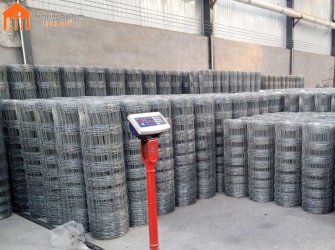
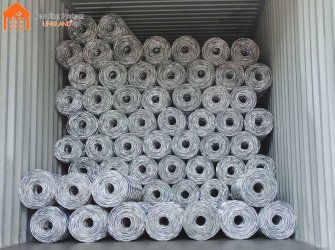
Chain link mesh is commonly supplied in rolls.
A roll can cover a relatively long section of fence, depending on its width and length.
This format is useful for:
Agricultural land
Warehouses
Factories
Construction sites
Sports grounds
Parks
Large residential developments
Compared with handling many inpidual rigid panels, roll-form chain link mesh can sometimes make transportation and installation more convenient.
The exact advantage depends on project dimensions and the available installation equipment.
6. Different Materials and Coatings Are Available
Chain link fence is not limited to one surface treatment.
Common options include:
Galvanized Chain Link Fence
Galvanized steel wire is coated with zinc to provide protection against corrosion.
It is commonly used for:
General outdoor fencing
Industrial fencing
Agricultural fencing
Sports fencing
Construction projects
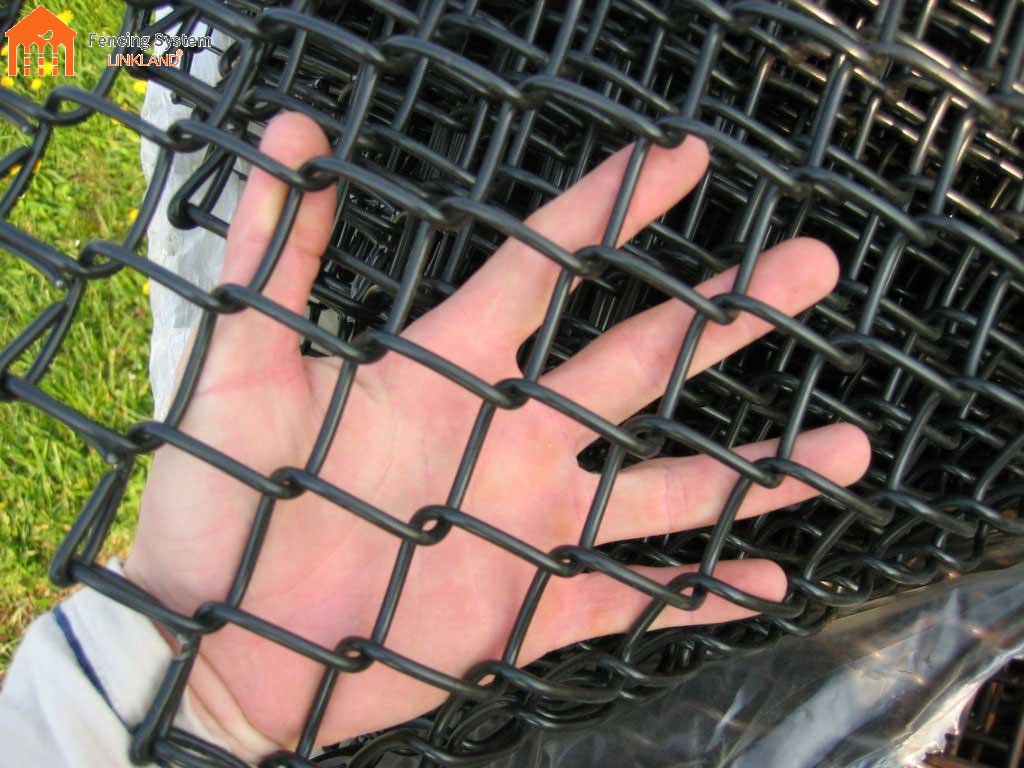
PVC-Coated Chain Link Fence
PVC-coated chain link fence combines a steel wire core with a polymer coating.
It can provide:
Additional environmental protection
A different appearance
Color options
A smoother finished surface
Green and black are common choices, although other colors may be available depending on the supplier and project.
For a detailed comparison, buyers should consider the steel core, coating method, finished wire diameter and environmental conditions rather than comparing color alone.
7. It Is Easy to Customize
Chain link fence can be manufactured in many different specifications.
Buyers can usually customize:
Mesh opening
Wire diameter
Fence height
Roll length
Coating
Color
Edge configuration
For example, a project may require a smaller mesh opening for a particular containment application, while another project may use a larger opening where visibility and material efficiency are more important.
Fence height can also be selected according to the intended application.
This makes chain link fencing suitable for projects ranging from small residential boundaries to large industrial perimeters.
8. Installation Can Be Relatively Simple
A typical chain link fence system consists of:
Chain link mesh
Line posts
Corner posts
End posts
Top rail
Tension wire
Tension bands
Tension bars
Clamps and fittings
Gates
The actual components vary according to the fence design.
Because the mesh is supplied in rolls and the system uses relatively straightforward components, chain link fence can be practical for both professional installation and certain smaller projects.
However, proper post spacing, foundation depth, mesh tension and corner reinforcement remain important for the final performance of the fence.
 9. Maintenance Is Relatively Straightforward
Chain link fence has a simple structure with relatively few complicated moving components.
Routine maintenance can include:
Checking posts
Checking fittings
Inspecting damaged mesh
Checking tension
Repairing localized damage
Removing vegetation where necessary
Inspecting gates and hinges
If a section of mesh becomes damaged, it may be possible to repair or replace the affected section rather than replacing the entire perimeter.
The actual maintenance requirement depends on the material, coating, environment and installation quality.
10. Damaged Sections Can Often Be Repaired
Another practical advantage is repairability.
Because the fence consists of mesh and inpidual supporting components, localized damage does not necessarily mean the entire fence must be replaced.
For example, damage caused by:
Impact
Cutting
Severe weather
Equipment movement
Accidental damage
may be addressed by replacing the affected mesh section or damaged components.
This can be particularly useful for large industrial or agricultural boundaries where complete fence replacement would be expensive and time-consuming.
11. Chain Link Fence Is Suitable for Many Applications
The versatility of chain link fence is one of its biggest advantages.
Residential
It can be used for:
Property boundaries
Backyards
Gardens
Pet areas
Driveways
Agricultural
Common applications include:
Farm boundaries
Animal enclosures
Poultry areas
Garden protection
Agricultural storage areas
Industrial
Chain link fence can be used around:
Factories
Warehouses
Logistics facilities
Equipment areas
Storage yards
Sports
The open structure makes it suitable for:
Tennis courts
Football fields
Baseball facilities
Basketball areas
Multi-purpose sports grounds
Construction
Temporary or semi-permanent chain link fencing can be used around:
Construction sites
Material storage areas
Restricted zones
Temporary project boundaries
12. It Can Be Combined With Other Security Measures
Standard chain link fence provides a physical boundary, but it does not provide the same level of security as specialized high-security fencing.
However, chain link systems can be upgraded or combined with additional security measures depending on the project.
Possible additions include:
Barbed wire
Razor wire
Security gates
Anti-climb features
Access control
CCTV
Lighting
Additional perimeter barriers
The appropriate combination depends on the security requirements and local regulations.
For high-security facilities, a purpose-designed security fence such as 358 mesh may be more appropriate than simply adding accessories to a standard chain link system.
13. It Is Convenient for Distributors and Contractors
Chain link fence is also practical from a supply-chain perspective.
Rolls can be relatively easy to:
Bundle
Stack
Package
Load into containers
Transport
Store
Posts and accessories can be packed separately.
For distributors, this makes it possible to stock different combinations of mesh opening, wire diameter, height and coating according to local market demand.
For contractors, a complete package containing mesh, posts, gates and fittings can simplify project procurement.
Chain Link Fence vs Other Common Fence Types
Feature Chain Link Fence Welded Wire Fence Solid Metal Fence
Visibility High Medium to high Low
Airflow High High Lower
Flexibility High Lower Low
Large perimeter use Excellent Good Good
Roll supply Common Available Generally no
Installation Relatively simple Relatively simple Depends on system
Privacy Low Low to medium High
Security General General to high depending on design Depends on design
Material options Many Many Many
The table is only a general comparison. Actual performance depends on the exact product specification and complete fence system.
What Determines the Quality of Chain Link Fence?
Not every chain link fence has the same quality.
Buyers should pay attention to:
Wire Diameter
Thicker wire generally provides a more substantial mesh structure, but the appropriate diameter depends on the application.
Mesh Opening
The opening should match the required containment, visibility and project conditions.
Galvanizing or Coating
For outdoor applications, the coating system is an important part of corrosion protection.
Mesh Dimensions
Confirm the actual fence height and roll length instead of relying only on nominal descriptions.
Edge Type
Knuckled and twisted edges can be selected according to the application and safety requirements.
Posts and Fittings
A strong mesh installed on an unsuitable post system may still produce a poor fence.
Therefore, the complete system should be evaluated rather than the mesh alone.
How to Choose the Right Chain Link Fence
A practical selection process is:
Step 1: Define the Application
Residential, agricultural, sports, construction or industrial?
Step 2: Select Mesh Opening
Consider visibility, containment and security requirements.
Step 3: Select Wire Diameter
Choose according to the required strength and project conditions.
Step 4: Choose the Surface Treatment
Galvanized or PVC-coated according to environment, appearance and budget.
Step 5: Determine Fence Height
The required height depends on the site and application.
Step 6: Select Posts and Accessories
Make sure the mesh, posts, rails, gates and fittings are compatible.
Step 7: Confirm Packaging and Delivery
For imported products, roll dimensions, bundle weight, container loading and packaging should be confirmed before ordering.
What Should You Ask a Chain Link Fence Manufacturer?
When requesting a quotation, provide as much information as possible:
Product: Chain link fence
Material: Galvanized steel / PVC-coated steel
Mesh opening: ___ mm
Wire diameter: ___ mm
Fence height: ___ m
Roll length: ___ m
Edge: Knuckle / Twist
Color: ___
Quantity: ___ rolls
Posts: Required / Not required
Gates: Required / Not required
Destination: ___
A detailed inquiry allows manufacturers to provide a more accurate quotation and makes supplier comparisons easier.
FAQ
What is the main advantage of chain link fence?
Its main practical advantage is the combination of open visibility, airflow, flexibility, relatively efficient material use and broad application range.
Is chain link fence suitable for outdoor use?
Yes. Galvanized and PVC-coated chain link fences are commonly used outdoors. The appropriate specification depends on the environment and required corrosion protection.
Is chain link fence cheaper than welded wire fence?
It can be cost-effective, but there is no universal price difference. Wire diameter, mesh opening, coating, height, quantity, posts and installation requirements all affect the final project cost.
Does chain link fence provide privacy?
Standard chain link fence provides limited privacy because its open mesh allows visibility through the fence. Privacy screens or other materials can be added if greater screening is required.
Is chain link fence secure?
Chain link provides a physical perimeter barrier, but standard chain link is generally intended for general fencing rather than maximum-security applications. Higher-security systems may use smaller openings, heavier construction or specialized anti-climb designs.
Can chain link fence be customized?
Yes. Mesh opening, wire diameter, height, roll length, coating, color and edge configuration can often be customized.
How long does chain link fence last?
There is no single service-life figure that applies to every chain link fence. Durability depends on the steel, coating, environment, installation quality and maintenance.
Conclusion
Chain link fence remains a practical fencing solution because it combines several useful characteristics in one system.
Its major advantages include:
Cost-efficient material use
Good visibility
Good airflow
Flexible installation
Efficient coverage of large perimeters
Multiple material and coating options
Customizable specifications
Relatively straightforward installation
Easy inspection and maintenance
Repairable sections
Wide application range
Convenient transportation and storage
The right chain link fence should not be selected based on price alone. Mesh opening, wire diameter, coating, fence height, posts, fittings and installation conditions all affect the final result.
For distributors, contractors and project buyers, the most reliable approach is to define the application first and then select the complete fence specification around that requirement.
Pre:How Is Welded Wire Fence Manufactured? Production Process Explained
Next:Welded Wire Farm Fence vs Woven Wire Farm Fence: Key Differences and Applications


.png)
.png)
.png)
.png)


 Address