Home /
NEWS /
How to Choose the Right Chain Link Fence for Your Project
Feb 10, 2026
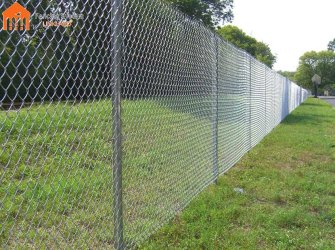
Chain link fences are one of the most popular and versatile fencing solutions worldwide. Known for their durability, affordability, and ease of installation, they are widely used in residential, commercial, industrial, and agricultural projects. Choosing the right chain link fence, however, requires careful consideration of fence height, mesh size, wire gauge, material, and coating. This guide will help you make an informed decision for your project, whether you are a contractor, distributor, or property owner.
1. Determine the Purpose of Your Fence
The first step in selecting the right chain link fence is to identify the primary purpose of the fence:
Security: If your goal is to prevent unauthorized access or protect valuable assets, choose taller fences (7–12 feet) with smaller mesh sizes (1–1.5 inches) and thicker wire. Adding barbed wire or razor wire can enhance protection.
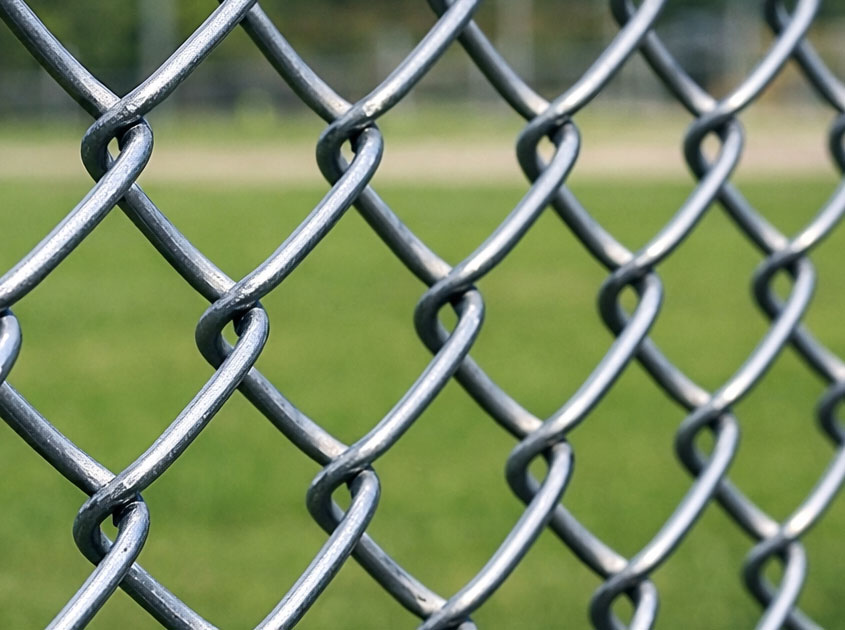
Boundary Marking: For residential or garden fences, shorter fences (3–5 feet) with larger mesh (2–2.5 inches) provide a clear boundary while remaining cost-effective.
Animal Containment: Farms and ranches require fences that prevent livestock escape. Mesh size should match the type of animals: smaller openings for smaller animals and stronger wire for large animals like cattle.
Sports Facilities: Fences for tennis courts, playgrounds, or stadiums need medium height (6–8 feet) and durable wire, ensuring safety and visibility.
Understanding the purpose helps determine the height, mesh size, and material requirements.
2. Choose the Right Fence Height
Fence height affects security, accessibility, and project compliance. Common heights include:
Application Fence Height Notes
Residential & Gardens 3–5 ft Cost-effective, low security
Commercial & Schools 5–6 ft Balanced security and visibility
Industrial & Warehouses 7–8 ft High security, prevents climbing
High-Security Areas 10–12 ft Max security, often combined with barbed wire
Tips:
Check local regulations for maximum allowable fence height.
Consider terrain: uneven ground may require additional posts or adjustments.
Combine fence height with mesh size and wire gauge for optimal security.
3. Select the Appropriate Mesh Size
Mesh size is the distance between the vertical wires in a chain link fence. Smaller mesh sizes offer more security but higher costs, while larger mesh sizes are economical and provide better visibility.
1–1.5 inches: High-security industrial sites, airports, and prisons.
2 inches: Residential and commercial applications, balancing cost and strength.
2.5 inches or larger: Farms and agricultural uses, allowing airflow and visibility.
Tip: Match mesh size with wire thickness: thinner wire for decorative or low-security fences, thicker wire for industrial or high-security applications.
4. Consider Wire Gauge and Material
The wire diameter affects the fence’s strength and durability. Standard diameters range from 2.0 mm to 5.0 mm.
Thicker wire: Required for taller or high-security fences.
Thinner wire: Suitable for residential or decorative purposes.
Material options:
Galvanized steel: Cost-effective, corrosion-resistant, suitable for most environments.
PVC-coated steel: Offers additional protection and aesthetic appeal, ideal for decorative or coastal areas.
5. Coating and Environmental Considerations
Environmental factors in your project location affect the fence’s longevity:
Humid or coastal areas: Use PVC-coated or hot-dip galvanized wire to prevent rust.
High UV exposure: Ensure UV-resistant coating to maintain color and durability.
Extreme climates: Combine thicker wire and smaller mesh for structural integrity.
6. Check Compliance and Standards
For international projects, it is important to ensure the chain link fence meets local and international standards:
ISO and ASTM standards: Ensure strength, durability, and safety.
CE certification: Often required for European projects.
Customer-specific requirements: Some projects may require custom sizes or coatings.
7. Work with a Reliable Chinese Manufacturer
Partnering with a professional Chinese wire mesh manufacturer offers advantages:
Customization: Tailor fence height, mesh size, wire gauge, and coating to project needs.
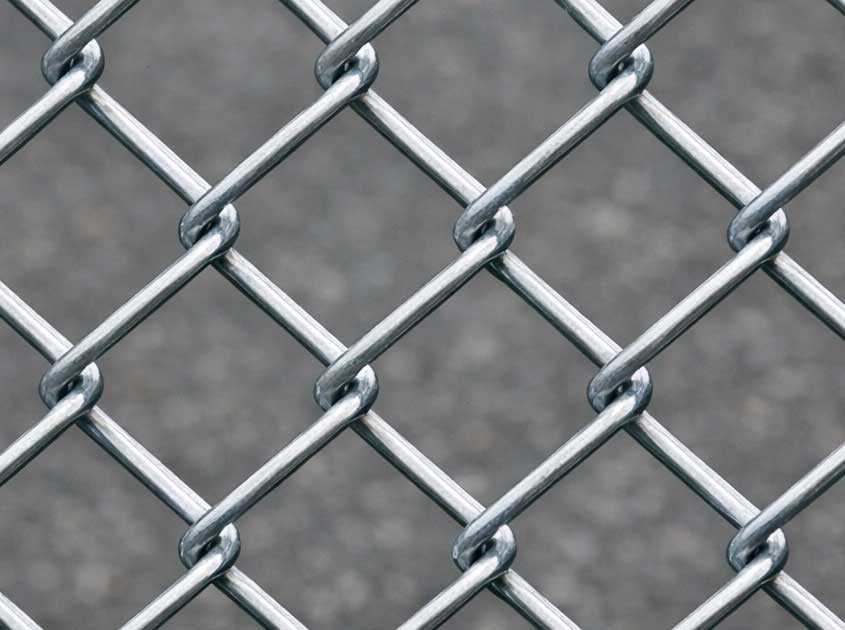
Cost-effectiveness: Competitive pricing without compromising quality.
Technical support: Guidance on installation, packaging, and shipping.
Quality assurance: Inspections, testing, and adherence to international standards.
Tip: Request samples and check previous projects to ensure quality and reliability.
8. Conclusion
Choosing the right chain link fence for your project requires balancing security, visibility, durability, and cost.
Identify your primary purpose: security, boundary marking, animal containment, or sports use.
Select fence height, mesh size, and wire gauge based on project requirements.
Choose galvanized or PVC-coated material for environmental protection.
Ensure compliance with international standards and work with a reliable manufacturer.
By following these guidelines, you can select a high-quality chain link fence that meets project needs, ensures long-term durability, and provides cost-effective solutions for your residential, commercial, or industrial projects.
Pre:How to Customize Welded Wire Mesh Sheets
Next:Factors Affecting the Longevity of Welded Mesh Fence

 Address





.png)
.png)
.png)
.png)
