Home /
NEWS /
Factors Affecting the Longevity of Welded Mesh Fence
Feb 25, 2026
Welded mesh fences are widely used in residential, commercial, and industrial projects due to their durability, strength, and ease of installation. However, the lifespan of a welded mesh fence depends on multiple factors, ranging from the type of materials used to environmental conditions and maintenance practices. For buyers and distributors importing from China, understanding these factors is essential to ensure long-term performance and minimize replacement costs.
1. Material Quality
The most critical factor affecting a welded mesh fence’s lifespan is the quality of the materials.
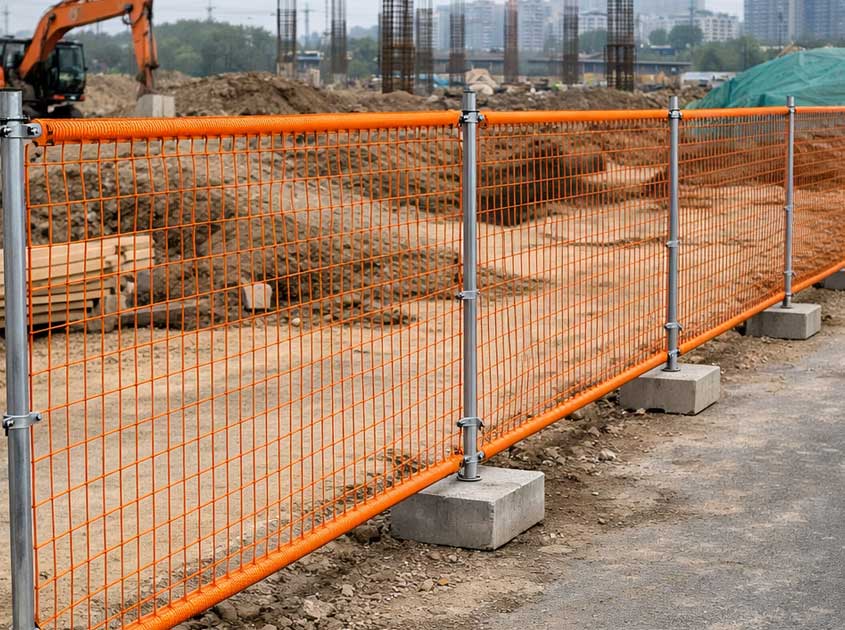
Galvanized Steel Wire: Provides rust resistance and is suitable for outdoor use in various climates. Zinc coating protects the steel from corrosion, extending service life.
Stainless Steel Wire: Highly resistant to corrosion and chemical exposure, ideal for coastal or highly humid environments.
PVC-Coated Wire: Offers an additional protective layer against corrosion and weathering. The coating also enhances aesthetic appeal and prevents surface scratches.
Tip: Always check the wire gauge and zinc coating thickness. Thicker wire and heavier galvanization generally last longer.
2. Fence Design and Mesh Size
The structural design of the welded mesh fence influences both strength and longevity.
Wire Diameter: Heavier gauge wire resists bending, deformation, and impact.
Mesh Size: Smaller mesh sizes can distribute stress more evenly, reducing localized wear and tear.
Panel Size: Larger panels reduce the number of joints, decreasing weak points that may corrode faster.
A well-designed welded mesh fence with the right balance between wire thickness and mesh spacing will withstand environmental and mechanical stress longer.
3. Surface Treatment
Surface treatment plays a vital role in protecting welded mesh fences against environmental damage:
Hot-Dip Galvanization: Creates a robust zinc layer that significantly delays corrosion, particularly in humid or rainy climates.
Electro-Galvanization: Provides a thinner zinc layer, suitable for areas with low corrosion risk.
PVC or Powder Coating: Adds an extra layer of protection, improving resistance to UV, moisture, and chemicals.
Choosing the correct surface treatment for your climate and intended application ensures a longer service life.
4. Environmental Factors
Environmental exposure greatly impacts the longevity of welded mesh fences:
Humidity and Rainfall: High moisture accelerates rust and corrosion in untreated or lightly galvanized fences.
Salt Air: Coastal areas can severely corrode metal fences if not properly treated.
UV Exposure: Prolonged sunlight can degrade PVC coatings, causing cracking and peeling.
Temperature Fluctuations: Extreme heat or cold may weaken wire coatings over time.
Buyers should consider environment-specific treatments when selecting fences for Middle East, South America, or European markets.
5. Installation Quality
Proper installation is critical for maximizing fence longevity:
Secure Anchoring: Posts must be firmly embedded in concrete to prevent tilting or collapse.
Correct Panel Alignment: Misaligned panels can create tension points, increasing wear.
Avoid Direct Ground Contact: Fences touching soil directly can corrode faster. Use gravel or concrete bases to reduce contact with moisture.
Professional installation reduces stress and prolongs the structural integrity of welded mesh fences.
6. Maintenance Practices
Routine maintenance can significantly extend the service life of a welded mesh fence:
Regular Cleaning: Remove dirt, debris, and vegetation that can retain moisture and accelerate rusting.
Inspection: Check for signs of corrosion, damaged coatings, or loose welds.
Repair and Recoat: Minor scratches or exposed metal areas should be treated with rust-proof paint or coating to prevent further corrosion.
Even the best-quality welded mesh will degrade faster without consistent care and maintenance.
7. Quality of Welds
The strength of welded joints is a key factor in the longevity of mesh fences:
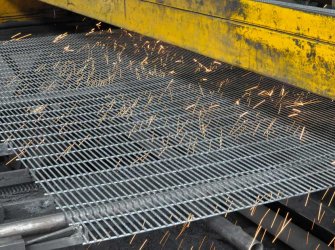
Poorly welded intersections can weaken under stress, leading to panel deformation or failure.
High-quality welding ensures the fence retains its shape and structural integrity over decades.
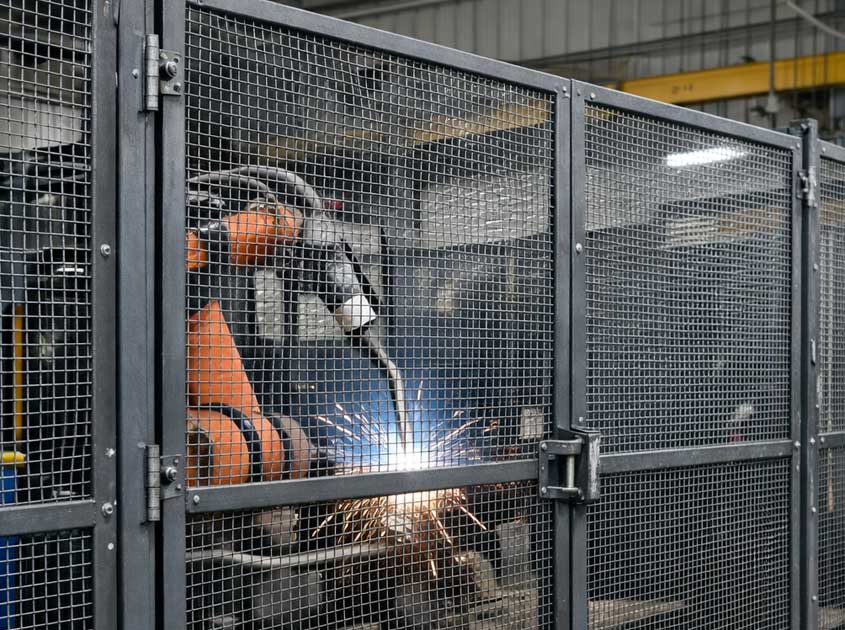
Buyers should request welding quality certificates or third-party inspection reports when sourcing from Chinese manufacturers.
8. Packaging and Shipping Considerations
For international buyers, the fence’s condition on arrival affects its long-term performance:
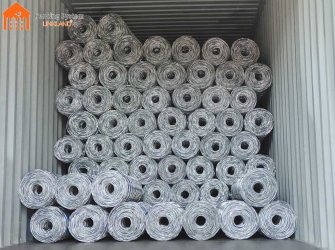
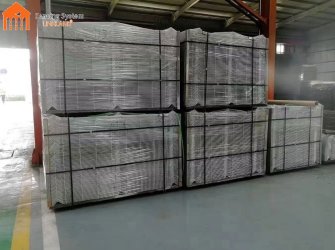
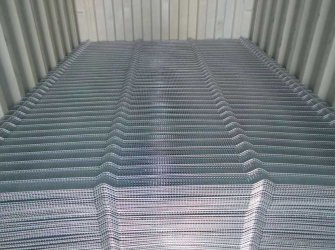
Protective packaging prevents scratches, bending, or coating damage during shipping.
Bundled and palletized fencing panels reduce deformation risk during handling.
Choosing a reliable supplier with proper export packaging ensures the fence reaches the site in optimal condition.
9. Final Recommendations for Buyers
To maximize the longevity of welded mesh fences:
Select high-quality galvanized or stainless steel wire with appropriate thickness.
Consider PVC coating or powder coating for added environmental protection.
Choose mesh size and panel design suitable for load requirements and exposure conditions.
Ensure professional installation and avoid direct contact with soil or moisture.
Implement a maintenance routine, including inspection and touch-up of protective coatings.
Work with reputable Chinese manufacturers who provide customization, quality assurance, and export-ready packaging.
Pre:How to Choose the Right Chain Link Fence for Your Project
Next:Galvanized vs Stainless Steel Security Fence for Long-Term Protection

 Address





.png)
.png)
.png)
.png)
