Home /
NEWS /
How Is Welded Wire Fence Manufactured? Production Process Explained
Sep 18, 2026
Welded wire fence is widely used for residential, commercial, agricultural, industrial and security applications. Unlike chain link fence, which is woven from wire into diamond-shaped openings, welded wire fence is made by welding straight wires together at their intersections.
This manufacturing method creates a rigid and uniform fence structure. Depending on the project, welded wire fence can be supplied as rolls or rigid panels, with different wire diameters, mesh openings, heights, surface treatments and post systems.
But how is welded wire fence actually manufactured?
From steel wire preparation and mesh welding to galvanizing, PVC coating, panel cutting, post production and export packaging, every stage can affect the final quality of the fencing system.
 1. What Is Welded Wire Fence?
Welded wire fence is a fencing system made from horizontal and vertical wires that are joined at their intersections by electric resistance welding.
The welded structure gives the fence a relatively rigid shape and consistent mesh pattern. It can be manufactured in different configurations depending on whether the fence is intended for gardens, farms, residential properties, industrial facilities or security applications.
Common specifications include:
Wire diameter
Mesh opening
Fence height
Panel or roll format
Surface treatment
Post type
Post spacing
Fixing accessories
Color
A complete welded wire fence system normally includes more than just the mesh. Posts, clamps, brackets, gates and other fixing components may also need to be matched to the fence panels.
2. The Welded Wire Fence Manufacturing Process
Although production equipment and factory processes vary, a typical welded wire fence manufacturing process includes the following stages:
Raw wire selection
Wire straightening and preparation
Mesh wire positioning
Resistance welding
Panel or roll forming
Cutting and sizing
Surface treatment
Post and accessory production
Quality inspection
Packaging and container loading
Each stage has a different purpose.
3. Selecting the Steel Wire
The manufacturing process starts with suitable steel wire.
Depending on the product specification, manufacturers may use low-carbon steel wire, galvanized wire or other specified wire materials.
The wire diameter needs to match the customer's required specification. For example, a project may require relatively light wire for garden fencing, while an industrial perimeter fence may require heavier wire and a stronger supporting structure.
Before production, the manufacturer should check important parameters such as:
Wire diameter
Surface condition
Material consistency
Tensile properties when required
Galvanized condition when pre-galvanized wire is used
For export orders, controlling the incoming raw material is important because wire quality affects both welding performance and the finished fence.
4. Wire Straightening and Preparation
Wire supplied in coils cannot be directly used for every type of welded fence production.
Depending on the production line, wires may first be straightened and cut into specific lengths or fed directly from coils into the welding machine.
The purpose of this stage is to ensure that the wires can be accurately positioned during welding.
Straightness is particularly important for rigid welded wire fence panels because uneven wires can affect:
Mesh opening
Panel flatness
Welding position
Overall appearance
Installation accuracy
For panel fencing, dimensional consistency becomes especially important because panels must later fit between posts and accessories.
5. Positioning the Horizontal and Vertical Wires
The next stage is positioning the wires according to the required mesh specification.
A welded wire fence is normally composed of two wire directions:
Horizontal wires
Vertical wires
The distance between adjacent wires determines the mesh opening.
For example, a fence specification might use openings such as:
50 × 100 mm
50 × 150 mm
75 × 150 mm
100 × 200 mm
Actual available sizes depend on the manufacturer's equipment and production capability.
The welding machine must maintain consistent wire spacing throughout the panel or roll.
6. Resistance Welding at Wire Intersections
This is the key stage of welded wire fence manufacturing.
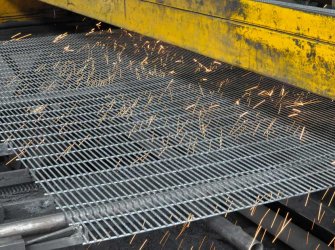
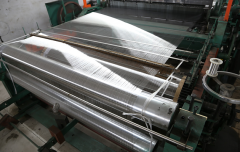
The horizontal and vertical wires cross each other at predetermined positions. Electrical current and pressure are applied at the intersections to create welded joints.
This process is generally known as resistance welding.
The welding parameters need to be properly controlled. Depending on the equipment and wire specification, important factors can include:
Welding current
Welding time
Electrode pressure
Wire diameter
Welding speed
Machine settings
The objective is to create consistent welded intersections without unnecessarily damaging the wire.
A properly controlled welding process helps produce a fence with uniform mesh openings and reliable joint quality.
7. Producing Welded Wire Fence Rolls
Some welded wire fencing is supplied in rolls rather than rigid panels.
Roll production can be useful for applications where the fencing needs to follow terrain or where the buyer wants a compact product for transportation and installation.
After welding, the continuous mesh can be cut to the required length and rolled.
Typical considerations include:
Roll width
Roll length
Wire diameter
Mesh opening
Roll diameter
Packaging method
Roll fencing is commonly used for agricultural, garden, animal enclosure and general-purpose applications.
8. Producing Rigid Welded Wire Fence Panels
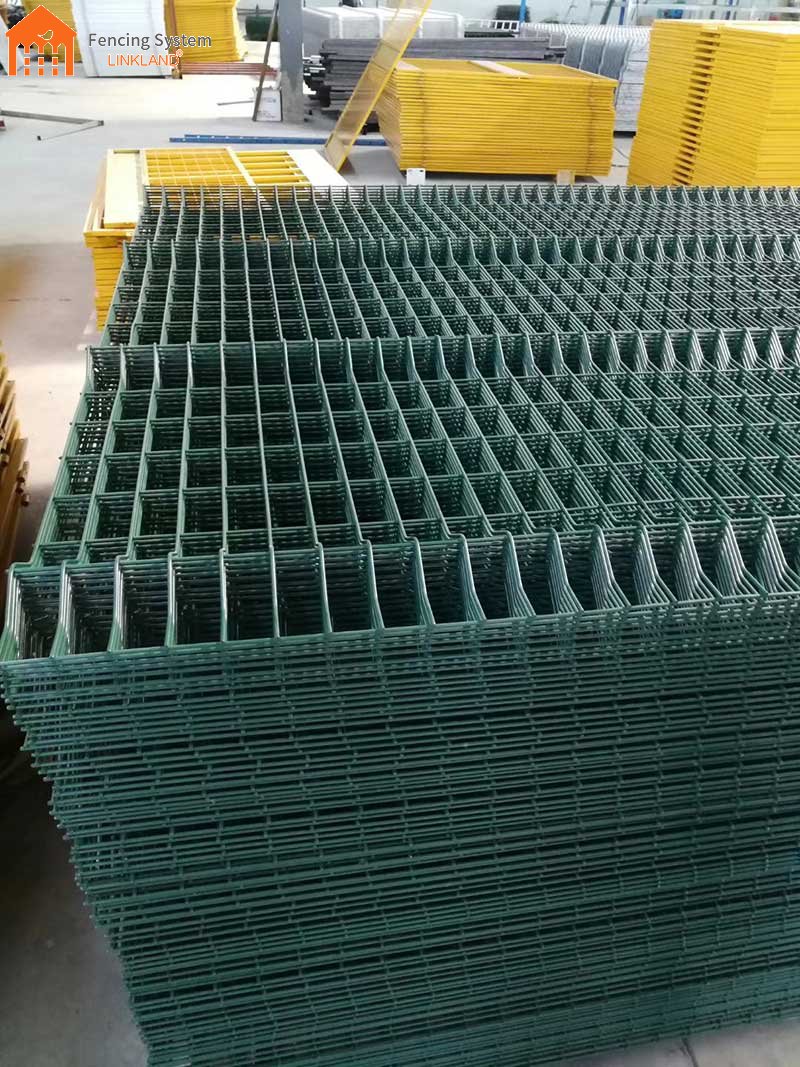
For rigid welded wire fence systems, the welded mesh is cut into inpidual panels.
The panels may then undergo additional processing depending on the design.
Typical specifications include:
Panel width
Panel height
Mesh opening
Wire diameter
Number of horizontal wires
Edge configuration
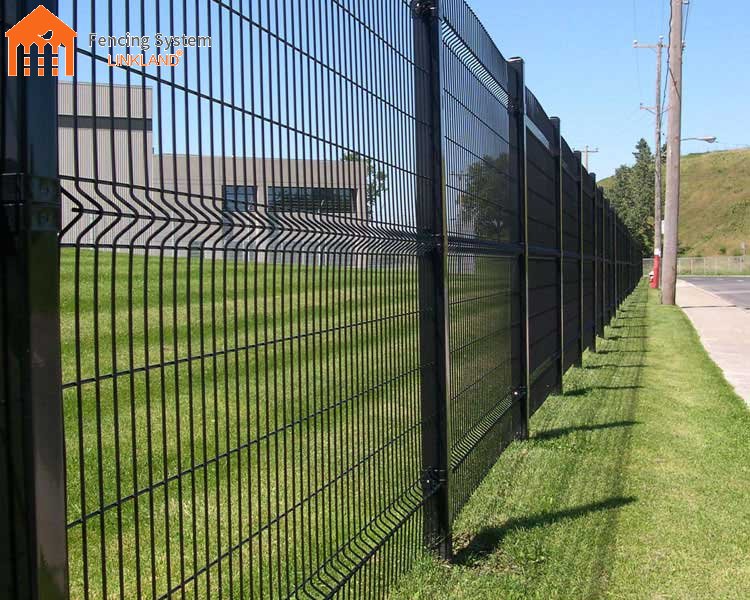
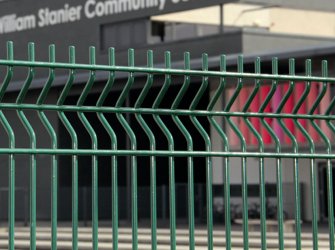
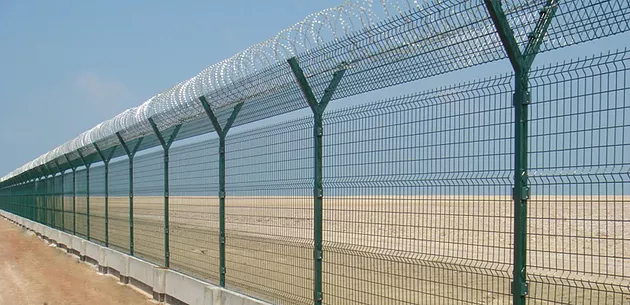
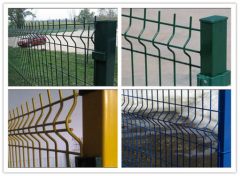
Some security or decorative welded fence panels may also have bends, folds or V-shaped profiles.
These formed sections can increase panel rigidity without simply increasing wire diameter.
9. Surface Treatment: Galvanizing
Surface treatment is an important part of welded wire fence production because fencing is frequently installed outdoors.
There are several possible manufacturing approaches.
Galvanized Before Welding
Pre-galvanized wire is galvanized before it is processed into welded mesh.
This can provide zinc protection across the wire surface, although the welding process may affect the coating around inpidual welded intersections.
Galvanized After Welding
The welded mesh is produced first and then galvanized.
This approach can provide zinc coating to the completed welded structure, including the welded areas.
The appropriate method depends on the required corrosion protection, specification and production process.
For buyers, it is useful to ask the supplier whether the product is galvanized before or after welding rather than simply specifying "galvanized."
10. PVC Coating and Other Finishes
Welded wire fence can also receive a PVC coating when the project requires a colored or additional protective finish.
Common colors include green, black and other colors specified by the buyer.
A typical coated product may consist of:
Steel wire → zinc coating when specified → PVC coating
The coating process needs to be controlled for:
Coating thickness
Surface appearance
Adhesion
Color consistency
Coverage
PVC-coated welded wire fence is frequently used in gardens, residential areas, landscaping and other applications where appearance is important.
11. Manufacturing the Fence Posts
A welded wire fence system also requires suitable posts.
Posts can be manufactured from steel tubes, profiles or other specified sections depending on the fence design.
The manufacturing process may include:
Steel material preparation
Cutting
Punching or drilling
Welding where necessary
Surface treatment
Inspection
Packaging
Post design needs to match the fence panel dimensions and fixing system.
For example, a rigid security-style welded panel may require heavier posts and specialized clamps, while a light garden fence can use a simpler post system.
12. Producing Clamps, Brackets and Other Accessories
A complete welded wire fence system may also contain:
Panel clamps
U-clamps
Flat bars
Bolts and nuts
Post caps
Base plates
Gate hinges
Gate locks
Tension or support components
These components may be manufactured in-house or sourced from qualified suppliers.
For project orders, compatibility is particularly important. A good fence quotation should not only specify the mesh panel but also explain how the panel is fixed to the posts.
13. Quality Control During Production
Quality inspection should not wait until the final packaging stage.
Manufacturers can perform inspections throughout production.
Important checkpoints may include:
Wire Diameter
The actual wire diameter should correspond with the agreed specification.
Mesh Opening
The distance between wires should be checked at multiple locations.
Welding Quality
Welded intersections should be inspected for consistency and structural integrity.
Panel Dimensions
Panel height, width and flatness should be checked before shipment.
Coating Quality
For galvanized or PVC-coated products, surface condition and coating requirements should be verified according to the order specification.
Accessories
Posts, clamps, gates and other components should be checked against the project requirements.
For larger export orders, inspection records, photographs, material documentation or third-party inspection can also be arranged when required.
14. Cutting, Bundling and Packaging
After inspection, the finished fence is prepared for shipment.
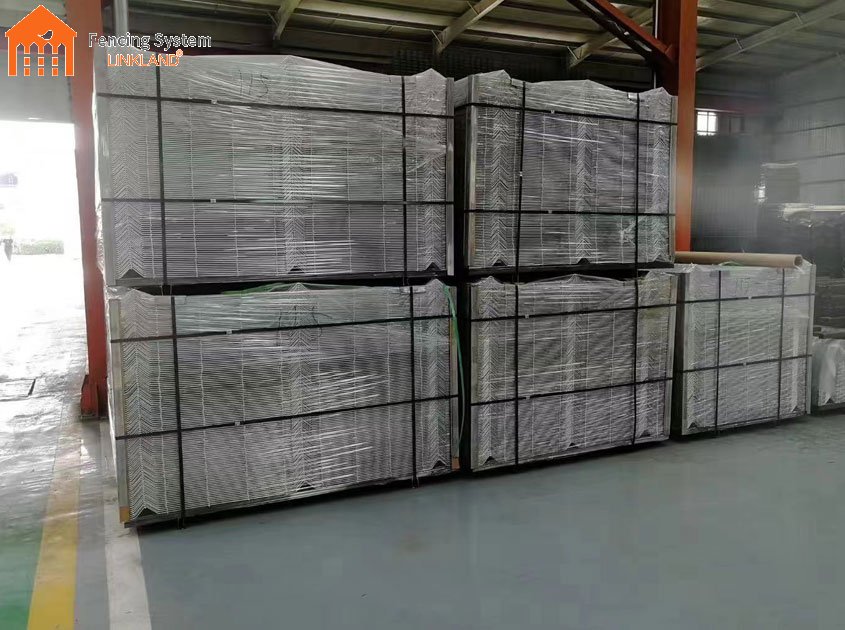
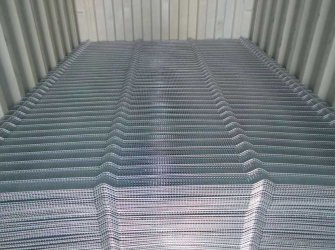
Rigid panels are commonly bundled together. Depending on the product, bundles may be secured with steel straps or other suitable packing materials.
Fence rolls are normally compacted and wrapped to protect them during handling and transportation.
Packaging should consider:
Container loading efficiency
Protection from handling damage
Moisture exposure
Bundle stability
Unloading convenience
Customer warehouse handling
For large B2B orders, packaging is not simply about making the product look neat. Efficient packing can affect container utilization and transportation cost.
15. How Welded Wire Fence Is Prepared for Export
For international orders, manufacturers normally prepare the products according to the buyer's shipping requirements.
A container may contain:
Welded wire fence panels
Welded wire fence rolls
Fence posts
Gates
Clamps
Bolts and accessories
The factory should calculate the loading arrangement before production is completed.
This helps determine how many panels, rolls and accessories can be loaded into one container while maintaining practical unloading and handling conditions.
 16. What Determines the Quality of Welded Wire Fence?
The final quality of welded wire fence does not depend on one factor alone.
Several elements work together:
Factor Why It Matters
Wire diameter Affects rigidity, weight and overall specification
Mesh opening Determines the size of the fence openings
Welding quality Influences joint consistency
Panel dimensions Important for installation
Surface treatment Influences corrosion resistance and appearance
Post design Supports the fence system
Fixing accessories Affects installation compatibility
Packaging Protects the products during transportation
A fence with heavier wire is not automatically the right product. The complete specification needs to match the application.
17. Welded Wire Fence vs Chain Link Fence Manufacturing
Welded wire fence and chain link fence use different manufacturing methods.
Chain link fence is woven from wire to form diamond-shaped openings, while welded wire fence joins straight wires at their intersections.
Feature Welded Wire Fence Chain Link Fence
Manufacturing method Resistance welding Wire weaving
Mesh pattern Usually square or rectangular Diamond
Structure Rigid Flexible
Common format Panels or rolls Mainly rolls
Installation Often panel-based Mesh stretched between posts
Typical uses Garden, residential, industrial, agriculture Residential, sports, agriculture, industrial
Neither manufacturing method is suitable for every project.
The choice depends on the required flexibility, appearance, security level, installation method and budget.
18. Why Buy Welded Wire Fence Directly From a Manufacturer?
For distributors, contractors and project buyers, buying directly from a manufacturer can make specification and production coordination easier.
A professional factory should be able to discuss:
Wire diameter
Mesh opening
Panel dimensions
Roll dimensions
Galvanizing method
PVC coating
Post specifications
Accessories
Packaging
Container loading
Custom specifications
For distributors, consistent production is particularly important because repeated orders may require the same dimensions and finish.
For contractors, matching panels, posts and fixing accessories can simplify project procurement.
19. What Should You Include When Requesting a Welded Wire Fence Quote?
A clear inquiry helps the manufacturer provide an accurate quotation.
For example:
Product: Welded Wire Fence
Mesh Opening: 50 × 100 mm
Wire Diameter: 3.5 mm
Panel Size: 2.0 × 2.5 m
Surface: Galvanized + PVC Coated
Color: Green
Post: 60 × 60 mm steel post
Accessories: Clamps, bolts and post caps
Quantity: 1 × 40HQ container
Destination: Customer's port
If you are unsure about the exact specification, you can provide the application, required fence height, approximate quantity and installation location. The manufacturer can then recommend suitable specifications for quotation.
20. Common Applications of Welded Wire Fence
Because welded wire fence can be produced in many specifications, it is used across different markets.
Common applications include:
Residential Fencing
Used around houses, gardens and residential properties where a clean and relatively rigid fence is required.
Garden and Landscaping
Light welded wire panels can be used around gardens, plants and landscaped areas.
Agricultural Fencing
Welded wire rolls and panels can be used for animal enclosures, farm boundaries and agricultural areas, depending on the animal and required strength.
Industrial Perimeters
Heavier welded panels can be used around factories, warehouses and industrial properties.
Commercial Properties
Retail facilities, storage areas and commercial properties may use welded fencing as part of their perimeter system.
Sports Facilities
Welded wire fencing can be used for certain recreational and sports areas where the required height, opening and impact conditions are suitable.
21. How to Evaluate a Welded Wire Fence Manufacturer
Before placing a large order, buyers should look beyond the quoted price.
Consider asking:
What wire diameter will be supplied?
Is the wire galvanized before or after welding?
What is the actual mesh opening?
Are panels or rolls available?
Can the height and width be customized?
What PVC coating specification is available?
Are matching posts and accessories available?
How are the products packaged?
How many panels or rolls fit into a container?
Can factory inspection or third-party inspection be arranged?
For distributors and importers, it is also useful to request production photographs, samples or specification sheets before confirming a large order.
22. Frequently Asked Questions
How is welded wire fence made?
Welded wire fence is made by positioning horizontal and vertical steel wires and electrically welding them together at their intersections. The welded mesh is then cut into panels or supplied in rolls, followed by surface treatment and packaging.
Is welded wire fence stronger than chain link?
Welded wire fence is generally more rigid because the wires are welded together. However, actual strength depends on wire diameter, mesh configuration, post system, fixing method and overall fence design.
Can welded wire fence be galvanized?
Yes. Welded wire fence can be manufactured using pre-galvanized wire or galvanized after welding, depending on the required specification and manufacturing process.
Can welded wire fence be PVC coated?
Yes. PVC-coated welded wire fence is available in different colors and specifications. The underlying wire and coating structure should be clearly specified when ordering.
Is welded wire fence available in rolls?
Yes. Some welded wire fencing is manufactured in flexible rolls, while heavier or security-oriented products are commonly supplied as rigid panels.
Can welded wire fence be customized?
Yes. Manufacturers can often customize wire diameter, mesh opening, panel dimensions, roll dimensions, surface treatment, color, posts and accessories according to project requirements.
Conclusion
Welded wire fence manufacturing combines wire preparation, precise positioning, resistance welding, sizing, surface treatment and quality control.
For a simple fence order, the mesh itself may appear to be the main consideration. For a complete B2B project, however, the relationship between wire diameter, mesh opening, panel dimensions, coating, posts, fixing accessories and packaging is equally important.
When sourcing welded wire fence from China, buyers should provide as much specification information as possible and confirm whether the quotation covers only the welded mesh or a complete fencing system.
A reliable manufacturer should be able to explain the production process, recommend suitable specifications, coordinate posts and accessories, perform quality checks and prepare the finished products for efficient export.
For distributors, contractors and project buyers, understanding how welded wire fence is manufactured makes it easier to compare suppliers and ensure that the product specification matches the actual application.
Pre:Why Is 358 Fence Considered a High Security Fence?
Next:none

 Address







.png)
.png)
.png)
.png)
