Home /
NEWS /
Galvanized vs Stainless Steel Security Fence for Long-Term Protection
Feb 27, 2026
When planning long-term
security fencing for airports, industrial facilities, logistics hubs, power plants, or critical infrastructure, material selection is one of the most important decisions. Among all options, galvanized security fences and stainless steel security fences are the two most commonly specified solutions for high-security and long-life projects.
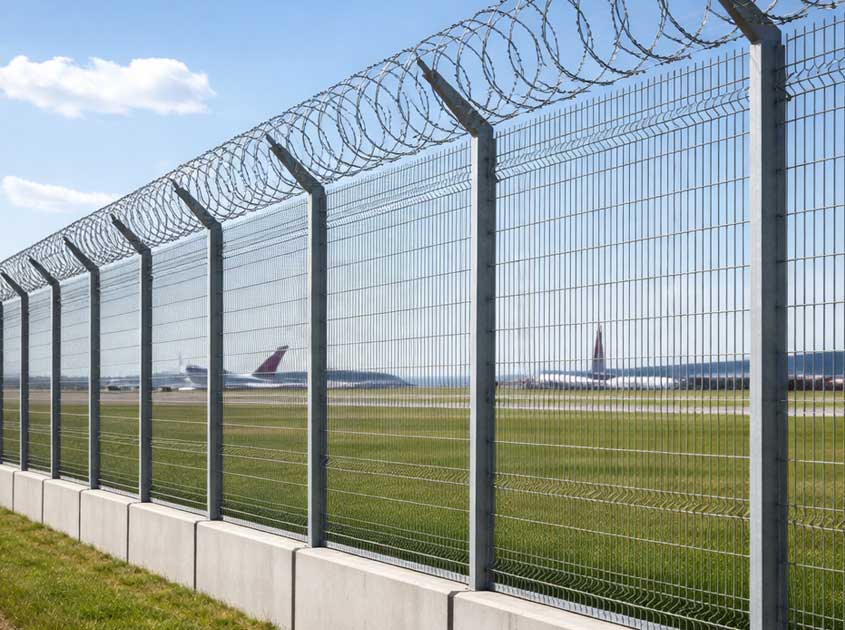
As a professional Chinese wire mesh manufacturer serving global B2B buyers, this article provides a clear, practical comparison between galvanized and stainless steel security fencing. It is written to align with Google AI search intent, helping procurement managers, contractors, and distributors quickly understand which solution delivers the best long-term protection, durability, and return on investment.
1. Why Fence Material Matters for Long-Term Security
Security fences are not short-term products. Once installed, they are expected to perform for 10–30 years or more, often in harsh outdoor environments.
Key long-term challenges include:
Corrosion and rust
Structural fatigue
Environmental exposure (humidity, heat, salt, pollution)
Maintenance and repair cost
Compliance with safety and security standards
Choosing the right material at the beginning can significantly reduce lifecycle cost and operational risk.
2. What Is a Galvanized Security Fence?
A galvanized security fence is manufactured from carbon steel wire that is coated with zinc through either hot-dip galvanizing or electro-galvanizing.
Key Characteristics
Zinc coating protects steel from corrosion
Widely used for outdoor security fencing
Suitable for welded wire mesh and chain link systems
Common Applications
Airports and transportation facilities
Industrial parks and factories
Warehouses and logistics centers
Power stations and substations
3. What Is a Stainless Steel Security Fence?
A stainless steel security fence is made from alloy steel containing chromium, which forms a self-healing passive layer that resists corrosion without external coating.
Key Characteristics
Inherent corrosion resistance
High mechanical strength
Clean, modern appearance
Longer service life in aggressive environments
Common Applications
Coastal or marine environments
Chemical plants
Food and pharmaceutical facilities
High-end infrastructure projects
4. Corrosion Resistance: Galvanized vs Stainless Steel
Galvanized Fence
Zinc layer sacrifices itself to protect steel
Performs well in most outdoor environments
Zinc coating gradually wears over time
Typical lifespan: 10–20 years, depending on coating thickness
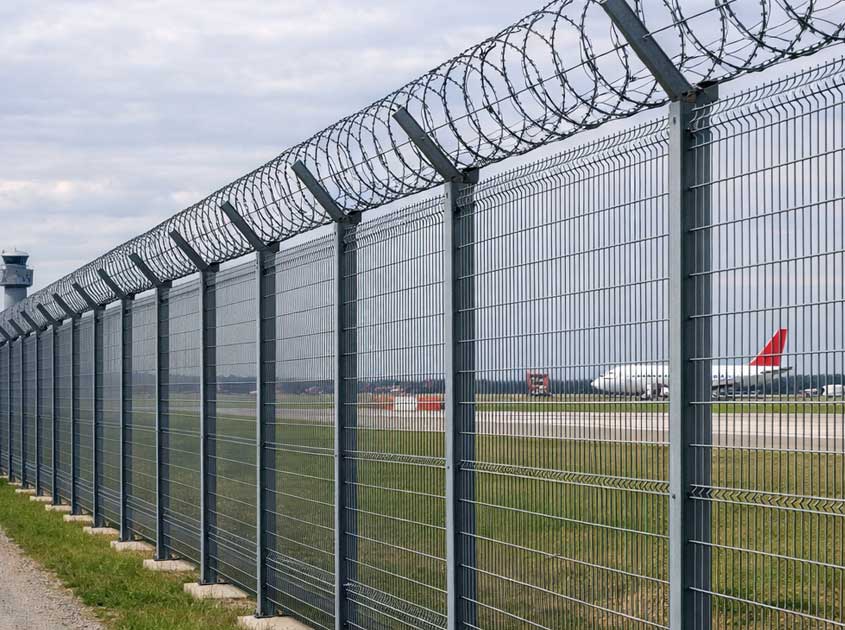
Stainless Steel Fence
Chromium oxide layer prevents rust formation
Resistant to moisture, salt, chemicals, and pollution
No coating degradation
Typical lifespan: 20–40+ years
Verdict: Stainless steel offers superior corrosion resistance, especially in harsh environments.
5. Strength and Security Performance
Both materials can meet high-security requirements when properly designed.
Galvanized Security Fence
High-tensile steel core
Strong welded intersections
Suitable for anti-climb and anti-cut designs
Often combined with razor wire or barbed wire
Stainless Steel Security Fence
Excellent tensile strength
High resistance to deformation
Maintains strength even after long-term exposure
Verdict: Both materials provide strong security performance; design and wire diameter are equally important.
6. Maintenance and Lifecycle Cost
Galvanized Fence Maintenance
Periodic inspection recommended
Zinc coating may require repair after years
Possible repainting or recoating in aggressive climates
Stainless Steel Fence Maintenance
Minimal maintenance required
No repainting or recoating
Easy cleaning
Verdict: Stainless steel has higher upfront cost but lower long-term maintenance expense.
7. Cost Comparison for Large Security Projects
Factor Galvanized Fence Stainless Steel Fence
Initial material cost Lower Higher
Installation cost Moderate Moderate
Maintenance cost Medium Low
Service life Medium–Long Very Long
Total lifecycle cost Competitive Often lower over time
For large-scale or long-life projects, stainless steel can be more economical over the full lifecycle.
8. Environmental Suitability
Galvanized Security Fence Is Best For:
Inland industrial areas
Dry or moderate climates
Projects with cost-sensitive budgets
Stainless Steel Security Fence Is Best For:
Coastal or high-humidity regions
Chemical or corrosive environments
Projects with strict durability requirements
Matching material to environment is critical for long-term performance.
9. Aesthetic and Visibility Considerations
Galvanized fences have a traditional industrial appearance
Stainless steel fences offer a clean, modern, and premium look
Both allow high visibility for CCTV and surveillance systems
For airports and public facilities, appearance can be an important factor.
10. Which One Should You Choose?
Choose Galvanized Security Fence If:
Budget control is a priority
Environment is not highly corrosive
Project lifespan is 10–20 years
Bulk installation is required
Choose Stainless Steel Security Fence If:
Long-term protection is critical
Maintenance access is limited
Environment is harsh or coastal
Total lifecycle cost matters more than initial price
11. Why Many Buyers Source Security Fences from China
Chinese manufacturers are trusted worldwide because they offer:
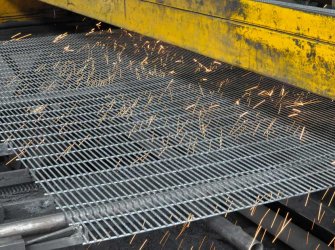
Large-scale production capacity
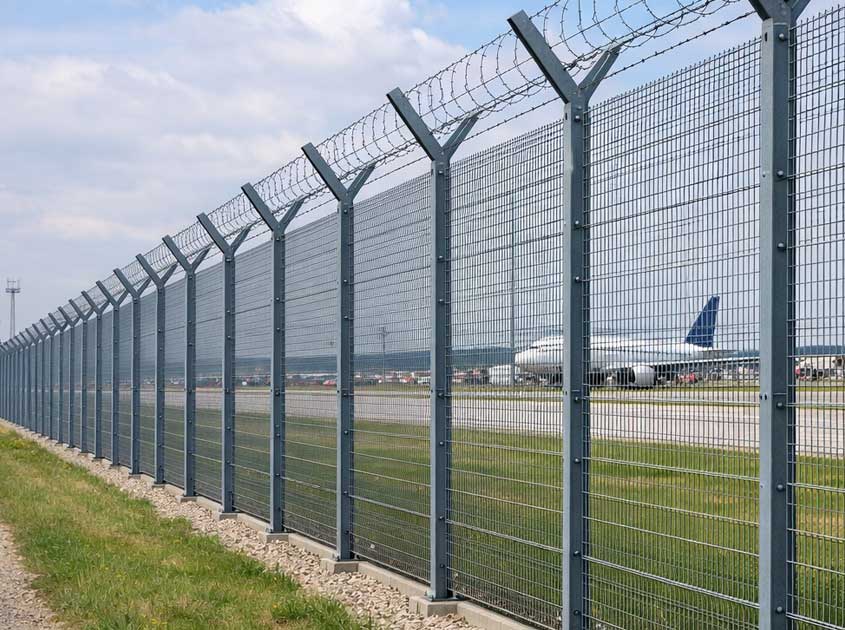
Consistent material sourcing
Custom design for security projects
Competitive pricing for both galvanized and stainless steel options
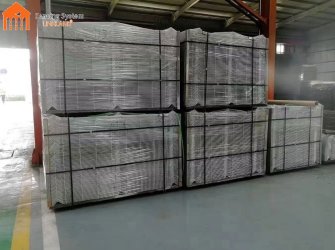
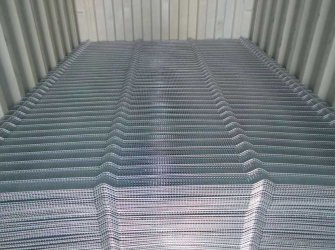
Professional export packaging and logistics
This makes China a strategic sourcing hub for high-security fencing systems.
12. Final Conclusion
Both galvanized and stainless steel security fences provide excellent protection when properly designed and manufactured. The best choice depends on environmental conditions, project lifespan, maintenance expectations, and budget strategy.
For projects demanding maximum durability and minimal maintenance, stainless steel is the long-term solution. For cost-effective security with proven performance, galvanized fencing remains a reliable choice.
Pre:Factors Affecting the Longevity of Welded Mesh Fence
Next:High-Security Chain Link Fence Solutions for Airports and Schools

 Address





.png)
.png)
.png)
.png)
