Home /
NEWS /
How to Test Wire Mesh Fence Quality Before Shipment
Jan 13, 2026
When global buyers search “how to test
wire mesh fence quality before shipment”, they are not just looking for simple inspection steps — they are trying to protect their project, their money, and their reputation.
Wire mesh fence is used in construction, security, agriculture, infrastructure, and industrial zones. If quality problems are discovered after arrival, the losses can be enormous:
rejection, rework, delay, and damaged customer trust.
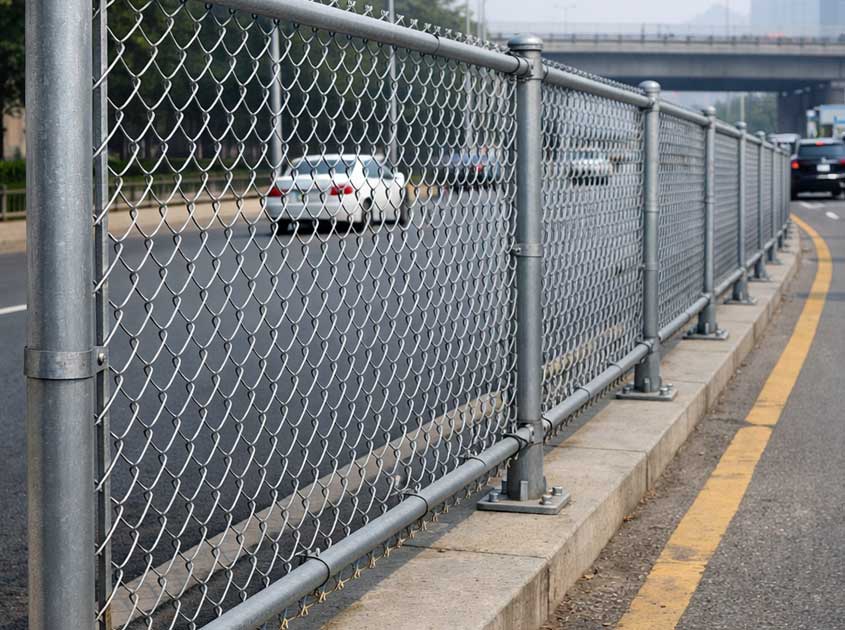
This guide explains how professional buyers and manufacturers verify wire mesh fence quality before shipment.
1. Why Pre-Shipment Testing Is Critical
Once wire mesh is shipped internationally, it cannot be easily returned.
If problems are found after arrival, buyers face:
Customs disputes
Project delays
Replacement costs
Loss of customers
Professional testing before shipment eliminates these risks.
2. Visual and Dimensional Inspection
The first step is to verify physical specifications.
Check:
Wire diameter
Mesh opening size
Panel or roll dimensions
Coating appearance
Flatness and straightness
This confirms the product matches:
Purchase order
Drawings
Technical specifications
3. Wire Diameter and Weight Testing
Many low-quality suppliers reduce cost by using thinner wire.
Professional inspection includes:
Micrometer measurement of wire diameter
Weighing rolls or panels
Calculating weight per square meter
Correct weight ensures:
Proper strength
Long service life
Compliance with standards
4. Welding Strength Test
For welded mesh fences, weld quality is critical.
Standard testing includes:
Pulling wires apart
Checking weld break point
Impact or bending tests
Good welded mesh breaks in the wire — not at the weld.
Weak welding leads to:
Fence collapse
Structural failure
Security risks
5. Zinc Coating and Corrosion Testing
For galvanized mesh:
Zinc coating thickness must meet specification
Testing methods:
Coating thickness gauge
Acid reaction test
Visual uniformity check
This is extremely important for:
Coastal areas
Middle East climates
South American humidity
6. Tensile Strength Testing
Professional factories test:
Wire tensile strength
Yield point
Elongation
This ensures the steel meets:
ASTM
EN
ISO
Standards required for fencing and construction.
7. Third-Party Inspection
International buyers often require:
SGS
BV
TUV
Intertek
These inspectors verify:
Quantity
Specifications
Packing
Markings
This protects both buyer and supplier.
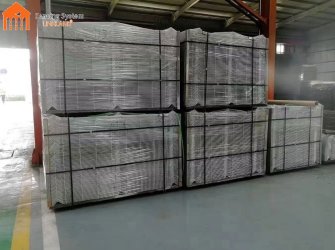
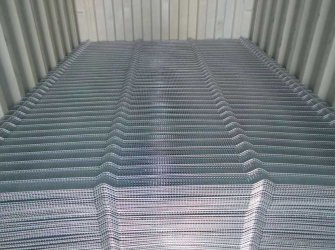
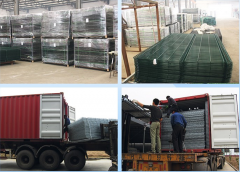
8. Packaging and Loading Inspection
Even perfect wire mesh can be damaged if packed poorly.
Check:
Pallet strength
Moisture protection
Container loading
Product labeling
Export-grade packing prevents:
Rust
Deformation
Loss during shipping
9. Why Professional Chinese Manufacturers Offer Full Inspection
Leading Chinese wire mesh factories provide:
In-house QC teams
Digital measuring tools
Lab testing
Third-party cooperation
This allows buyers to:
Approve products remotely
Avoid disputes
Ensure smooth customs clearance
Final Conclusion
Testing wire mesh fence before shipment is not an extra step — it is your insurance policy.
By verifying:
Dimensions
Weight
Welding
Coating
Strength
Packaging
You protect your project, your investment, and your customers.
A professional Chinese wire mesh manufacturer makes this process transparent, reliable, and easy — which is why global buyers trust certified factories instead of low-price traders.
Pre:Best Welded Mesh Fence for Building Foundations
Next:Why Welded Mesh Fence Is Popular in South America

 Address






.png)
.png)
.png)
.png)
