Home /
NEWS /
What Is Welded Wire Fence and Where Is It Used?
Aug 20, 2026
Welded wire fence is a fencing system made from steel wires that are welded together at each intersection to form a rigid grid. Unlike chain link fence, which is woven into a diamond pattern, welded wire fence has fixed horizontal and vertical wires that create square or rectangular openings.
Because of its combination of strength, visibility, durability, and relatively simple installation, welded wire fence is widely used for residential, commercial, agricultural, industrial, and public applications.
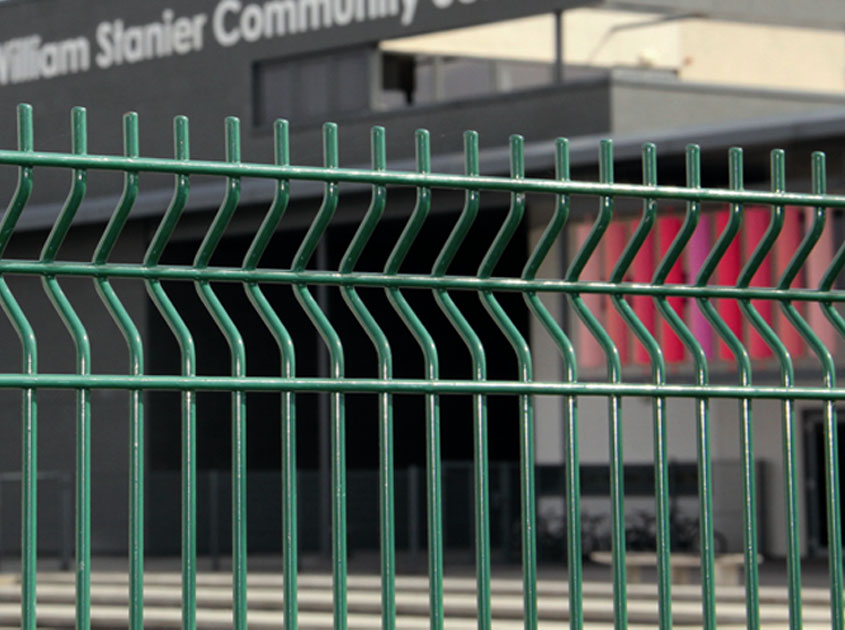
Depending on the project, welded wire fence can be supplied as welded wire rolls or rigid welded wire panels and can be manufactured with galvanized, PVC coated, or other protective finishes.
What Is Welded Wire Fence?
A welded wire fence consists of a welded wire mesh secured to posts or another supporting structure.
The basic fencing system normally includes:
Welded wire mesh
Fence posts
Fixing clips or ties
Gates and accessories
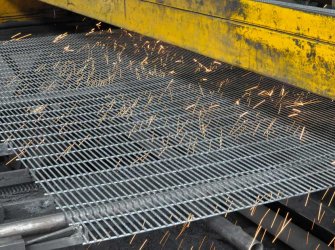
The mesh itself is produced by placing horizontal and vertical wires in a grid and electrically welding the wires at their intersections.
This creates a stable structure in which the openings remain relatively uniform after installation.
Common opening shapes include:
Square openings
Rectangular openings
The exact size depends on the intended application.
How Is Welded Wire Fence Different From Chain Link Fence?
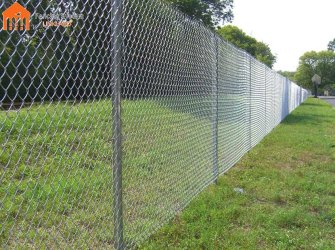
Welded wire fence and chain link fence are both widely used, but their structures are different.
Feature Welded Wire Fence Chain Link Fence
Mesh structure Welded grid Woven diamond
Rigidity Higher More flexible
Opening shape Square/rectangular Diamond
Appearance Clean, modern Traditional fencing appearance
Cutting Relatively easy Easy
Uneven terrain Moderate adaptability High adaptability
Typical use Residential, industrial, agricultural Perimeter and large-area fencing
Welded wire fence is often selected when a cleaner appearance and greater rigidity are desired.
What Materials Are Used for Welded Wire Fence?
The material and surface treatment determine the fence's corrosion resistance, appearance, and service life.
Galvanized Steel
Galvanized welded wire is one of the most common options.
A zinc coating protects the steel from corrosion and makes the fence suitable for many outdoor applications.
It is commonly used for:
Farm fencing
Garden fencing
Commercial fencing
General perimeter protection
PVC Coated Steel
PVC coated welded wire combines a steel core with a protective polymer coating.
Common colors include:
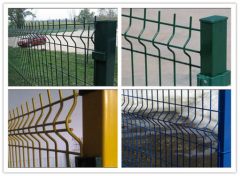
Green
Black
White
Brown
PVC coating can improve both corrosion resistance and appearance.
It is frequently used for:
Gardens
Parks
Residential properties
Landscape fencing
Stainless Steel
Stainless steel welded wire fence is selected when high corrosion resistance is required.
Common grades include:
304 stainless steel
316 stainless steel
It can be considered for:
Coastal environments
Industrial facilities
Specialized projects
High-end architectural applications
What Are the Main Types of Welded Wire Fence?
Welded wire fencing can be pided into several practical categories.
Welded Wire Fence Roll
Welded wire mesh supplied in rolls is flexible and efficient for covering long distances.
It is particularly suitable for:
Farms
Gardens
Animal enclosures
Large perimeter areas
The mesh can be cut to the required length during installation.
Welded Wire Fence Panel
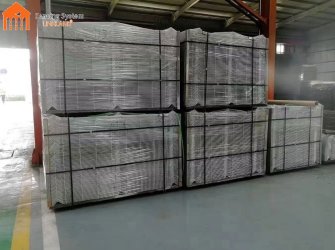
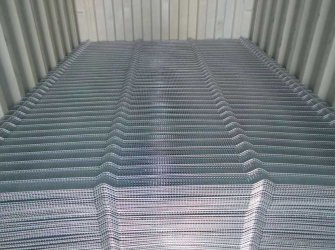
Rigid welded wire panels are supplied as inpidual flat sections.
They provide:
Higher rigidity
Consistent dimensions
Clean appearance
They are commonly used for:
Residential fencing
Commercial properties
Industrial facilities
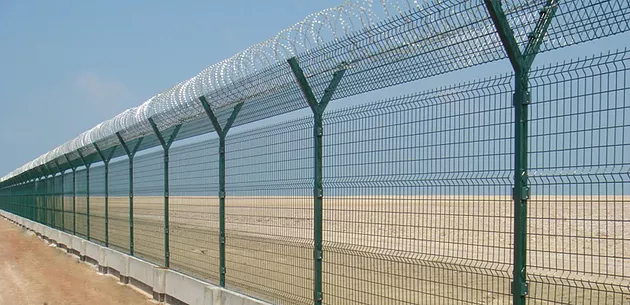
Security barriers
PVC Coated Welded Wire Fence
PVC coated mesh provides a more decorative appearance while adding another protective layer.
It is often selected for:
Parks
Gardens
Residential properties
Landscape projects
Heavy-Duty Welded Wire Fence
Heavy-duty fencing uses thicker wires and stronger supporting posts.
Applications include:
Industrial sites
Livestock areas
Warehouses
Security-sensitive properties
Where Is Welded Wire Fence Used?
Welded wire fencing has a broad range of applications.
1. Residential Fencing
Welded wire fence can be used around:
Houses
Backyards
Driveways
Gardens
Swimming pools
Its relatively open structure provides a physical boundary without completely blocking visibility.
PVC coated wire is often selected when appearance is important.
2. Garden and Landscape Fencing
Welded wire fence is commonly used to protect:
Vegetable gardens
Flower beds
Trees
Plants
The mesh can prevent animals from entering protected areas while allowing sunlight and air to pass through.
Smaller mesh openings can be used when protection against small animals is required.
3. Farm Fencing
Agricultural applications include:
Livestock enclosures
Poultry areas
Crop protection
Farm boundaries
For outdoor agricultural applications, galvanized welded wire is commonly considered because of its corrosion resistance.
The wire diameter and opening size should be selected according to the animals and level of protection required.
4. Animal Enclosures
Welded wire fencing can be used for:
Chicken runs
Rabbit enclosures
Dog areas
Pet cages
Animal shelters
The most important consideration is the mesh opening.
Small animals generally require smaller openings to prevent escape or injury.
5. Commercial Fencing
Businesses can use welded wire fence around:
Parking areas
Warehouses
Storage yards
Commercial buildings
Welded wire panels can provide a more rigid and organized appearance than flexible fencing materials.
6. Industrial Fencing
Industrial facilities often require fencing for:
Equipment protection
Restricted areas
Storage zones
Machine areas
Heavy-duty welded wire panels can provide a strong physical barrier while maintaining visibility.
7. Construction Site Fencing
Welded wire fence can also be used as temporary construction fencing.
Applications include:
Construction site boundaries
Material storage areas
Pedestrian separation
Temporary restricted zones
Rolls can be particularly convenient when the fence needs to be installed and removed quickly.
8. School and Public Facility Fencing
Welded wire fence can be used around:
Schools
Sports facilities
Parks
Community facilities
The open mesh provides visibility while creating a defined boundary.
For areas where safety is especially important, the mesh opening, wire diameter, post spacing, and fixing system should be selected according to applicable local requirements.
What Welded Wire Fence Specifications Are Important?
When purchasing welded wire fencing, several specifications should be confirmed.
Wire Diameter
Common wire diameters range from light-duty wires to heavy structural wires.
Thicker wire generally provides:
Greater rigidity
Better impact resistance
Higher material strength
But it also increases weight and cost.
Mesh Opening
Common openings include:
25 × 25 mm
50 × 50 mm
50 × 100 mm
75 × 100 mm
100 × 100 mm
100 × 200 mm
The correct opening depends on:
Security requirements
Animal size
Visibility
Application
Fence Height
Fence height can be customized according to the installation.
Common applications may use heights from approximately:
0.6 m
1.0 m
1.2 m
1.5 m
1.8 m
2.0 m
Higher fencing is generally used where greater containment or security is required.
Fence Length
For roll-type welded wire fence, the length can be supplied according to project requirements.
For panel fencing, the length is determined by the inpidual panel dimensions and post spacing.
Welded Wire Fence Installation
A typical welded wire fence installation involves several steps.
Step 1: Install the Fence Posts
Posts are positioned at predetermined intervals and secured in the ground.
Step 2: Position the Mesh
Roll mesh is unrolled along the fence line, while panels are positioned between posts.
Step 3: Fix the Mesh
The mesh can be attached using:
Clips
Ties
Staples
Bolts
Specialized fence fittings
Step 4: Add Gates and Accessories
Gates, corner posts, tensioning components, and other accessories can then be installed.
The exact installation method depends on the fence type and site conditions.
What Are the Advantages of Welded Wire Fence?
High Rigidity
The welded intersections prevent inpidual wires from moving freely, creating a relatively rigid grid.
Good Visibility
The open structure maintains visibility through the fence.
Easy Installation
Rolls and panels can both be installed using relatively simple fixing systems.
Uniform Appearance
The regular grid pattern provides a clean and organized appearance.
Wide Range of Applications
Welded wire fencing can be used for:
Agriculture
Residential properties
Commercial facilities
Industrial sites
Gardens
Animal enclosures
Customizable
Manufacturers can customize:
Wire diameter
Mesh opening
Height
Length
Material
Coating
Color
How to Choose the Right Welded Wire Fence?
Start with the application, rather than simply choosing the cheapest available specification.
For Gardens
Consider:
PVC coated wire
Smaller openings
Medium wire diameter
For Farms
Consider:
Galvanized steel
Larger openings
Stronger wire
For Animal Enclosures
Consider:
Animal size
Opening dimensions
Wire strength
Safety requirements
For Industrial Facilities
Consider:
Heavy wire
Rigid panels
Strong posts
Appropriate fixing systems
For Coastal Areas
Consider:
Hot-dip galvanized steel
Stainless steel
Appropriate corrosion protection
Welded Wire Fence Roll or Panel: Which Should You Choose?
A simple rule is:
Choose welded wire rolls for flexibility and long-distance coverage.
Choose welded wire panels for rigidity and a more structured installation.
Rolls are particularly useful for:
Farms
Gardens
Large boundaries
Temporary fencing
Panels are often better suited to:
Residential properties
Commercial facilities
Industrial fencing
Security applications
Why Choose Qunkun Metal Welded Wire Fence?
Qunkun Metal manufactures welded wire mesh and welded wire fencing for international customers, including distributors, contractors, agricultural suppliers, and project buyers.
Available solutions include:
Welded wire mesh rolls
Welded wire fence panels
Galvanized welded wire
PVC coated welded wire
Stainless steel welded wire
Specifications can be customized according to:
Wire diameter
Mesh opening
Fence height
Roll or panel dimensions
Surface treatment
Color
Packaging requirements
For large fencing projects, the mesh can also be matched with suitable posts, gates, and fixing accessories to create a complete fencing system.
Frequently Asked Questions
Is welded wire fence stronger than chain link fence?
Welded wire fence generally has greater rigidity because the horizontal and vertical wires are welded together. Chain link fence is more flexible and can adapt more easily to uneven terrain.
Is welded wire fence good for farms?
Yes. Galvanized welded wire fencing is widely used for farm boundaries, animal enclosures, poultry areas, and crop protection.
Can welded wire fence be used for dogs?
Yes, provided the mesh opening and wire strength are appropriate for the size and behavior of the dog. Smaller openings can help prevent smaller animals from squeezing through.
Is welded wire fence suitable for outdoor use?
Yes. Galvanized and PVC coated welded wire fences are commonly used outdoors. The appropriate coating should be selected according to the local environment.
How long does welded wire fencing last?
Service life depends on the steel quality, zinc or PVC coating, environmental conditions, installation, and maintenance. Properly protected galvanized or stainless steel fencing can provide long-term outdoor service.
Can welded wire fence be customized?
Yes. Wire diameter, mesh opening, fence height, roll length, panel dimensions, coating, and color can all be customized for many projects.
Conclusion
Welded wire fence is a practical fencing solution that combines rigidity, visibility, durability, and relatively simple installation.
Its welded grid structure makes it suitable for a wide variety of applications, from gardens and farms to animal enclosures, commercial properties, industrial facilities, and construction sites.
The right welded wire fence depends on the specific requirements of the project. Buyers should consider wire diameter, mesh opening, fence height, material, coating, installation method, and environmental conditions before placing an order.
For large-area agricultural and general fencing, welded wire mesh rolls provide flexibility and efficient coverage. For projects requiring greater rigidity and a more finished appearance, welded wire fence panels are often the better choice.
Qunkun Metal provides customizable welded wire fencing solutions for international distributors, contractors, and project buyers, with different materials, specifications, coatings, and dimensions available.
Pre:What Is Chain Link Fence and Why Is It Widely Used?
Next:What Is 358 Security Fence and Why Is It Called 358?

 Address





.png)
.png)
.png)
.png)
